How home sales drive furniture sales
A move creates new rooms, new measurements, and a sequence of furniture decisions. Understanding that sequence helps a store serve movers and households staying put.
The OrderPilot team·
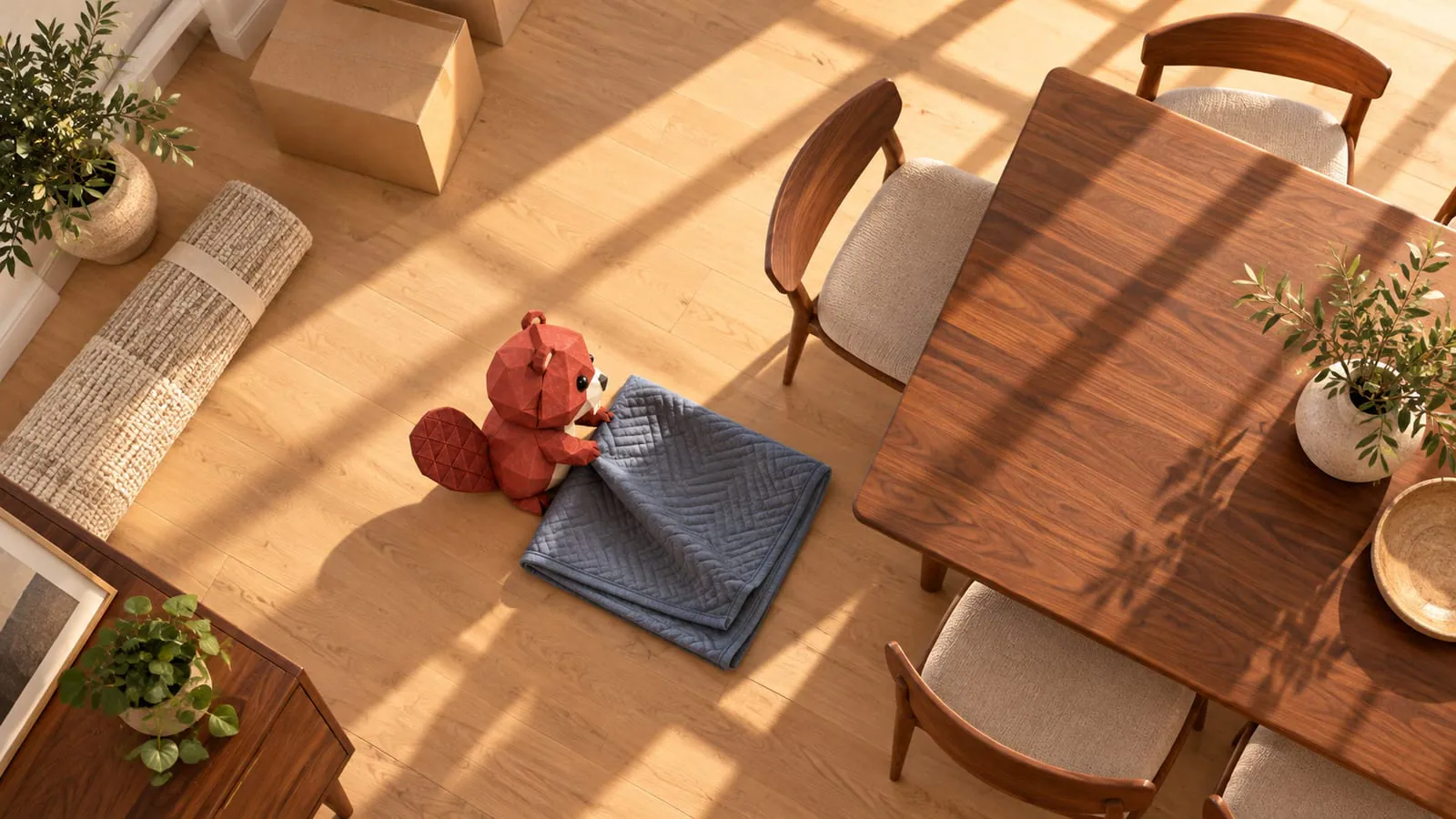
The sofa fitted the old living room. In the new house, it blocks the route to the garden, the rug looks too small, and the dining table has become a temporary desk. A move can turn perfectly serviceable furniture into the wrong furniture for the room.
That is the link between housing turnover and furniture demand: a move creates decisions that staying put may postpone. The buying happens around the move and over the following months, so an independent store should plan for a sequence of purchases rather than one large shopping trip on closing day.
Why do home sales matter to a furniture store?
Home sales create occasions to reconsider furniture. A different floor plan changes scale, circulation, storage, and the way a family uses each room. Even when most pieces come along, the new home may need a dining table, another bed, or seating that works around a different fireplace.
The size of that moving market changes. The National Association of Realtors reported 4.09 million existing-home sales in 2023, down 18.7% from 2022 and the lowest annual level since 1995. That is a count of transactions in existing homes, not a count of furniture customers or all household moves. NAR's January 2024 release.
For a store, fewer transactions can mean fewer natural triggers for a room project. It does not mean every category falls by the same percentage. Assortment, local housing, customer income, replacement needs, and the store's own execution all influence what reaches the sales floor.
Keep that distinction when reading the lessons from furniture-chain bankruptcies. A weak market can expose an operating problem; it does not explain every store's performance by itself.
How long after a move do people buy furniture?
There is a buying window around the purchase, with meaningful activity before and after closing. Research summarized by NBER in 2017 examined household spending from 2001 through 2013 and found the increase especially pronounced in the first quarter after a home purchase, with spending remaining somewhat higher for six to nine months. The research covered home-related goods and improvements, not furniture alone. NBER's summary.
That finding is useful for follow-up, but it is not a rule that a particular household will buy its sofa exactly three months after moving. Some customers order ahead. Others wait to live in the room, complete repairs, or recover from the cost and effort of the move.
Ask about the stage of the project. “Have you moved in yet?” and “Which room needs to work first?” are more useful than assuming the customer is ready for a whole-house purchase. A planned closing can also change, so keep the customer's target date separate from the store's delivery promise.
For a special-order piece, work backward from the requested use date using the real production and delivery information. A customer who wants seating shortly after moving may need to choose before closing; a customer still measuring the room may need an interim plan.
Which rooms get bought first?
Room order depends on how the household lives. In showroom practice, it helps to distinguish what must function immediately from what the customer wants to finish later. Sleeping, eating, working, and gathering are useful conversations; there is no need to invent a universal ranking of rooms.
Say a household is moving into a larger home and wants a dining set, living-room seating, and a guest bedroom. This example begins with the dining set because the old table is staying behind, while the existing sofa can work temporarily. The guest room waits until the family knows how often it will be used.
The associate can preserve the overall room plan while quoting the first decision clearly. Record the proposed finishes and dimensions for later pieces so the next visit does not start from a blank page. A plan should survive the customer's decision to buy in stages.
Distinguish a considered future choice from an accepted order. A customer may like a chair for the second room without agreeing to buy it. Keep the quote and purchasing steps clear so an attractive design board does not become an unintended vendor commitment.
The multi-room planning guide shows how to carry that work forward. A good plan leaves room for the customer to discover that the guest bedroom is, in fact, mostly a room for laundry.
Do renters matter as much as home buyers?
Renters matter, although a home-purchase statistic does not measure their moves. A new lease can create the same practical mismatch between furniture and floor plan. Smaller access routes, uncertain tenure, and a likely future move may influence the pieces a renter chooses.
The NBER research found a stronger home-related spending effect for owner-occupiers than renters. That does not establish what either group will spend in your store or make renters a market to ignore. It describes a difference in the research sample and the spending being measured. NBER research summary.
For the showroom, ask useful fit questions rather than using tenure as a shortcut for budget. Can the piece pass through the building? Will it suit another room later? Does the customer need flexible storage or a table that changes size? Those answers help select furniture whether the customer owns the walls or rents them.
If local demand includes apartment moves, build that into the assortment and delivery conversation. Existing-home sales alone will miss that part of the market.
What happens when mortgage rates fall?
Lower mortgage rates can make a move more affordable, but they do not produce an immediate, proportional increase in furniture sales. Buyers still face house prices, available listings, financing decisions, and the time required to complete a purchase. The furniture decisions then follow their own sequence.
Research by Jack Liebersohn and Jesse Rothstein describes mortgage rate lock: owners with lower fixed rates have a reason to remain in their homes when moving would require a higher-rate loan. Their August 2024 working paper links rising rates to lower mobility among owners with mortgages. NBER Working Paper 32781.
The practical inference is that easier financing conditions can loosen one barrier to moving. They do not tell a furniture store exactly when to increase stock or by how much. Look for completed transactions and inquiries from real local projects before turning a rate headline into a buying commitment.
Can refurnishing replace the lost moving business?
Refurnishing is a useful customer need to serve, but it is not a guaranteed replacement for every missing move. A household staying put may want a better dining area, a different home office, or seating suited to how the room is now used. Those projects can begin with one piece rather than a complete new home.
Avoid assuming that a slow housing market automatically creates a renovation boom. Harvard's Joint Center for Housing Studies was forecasting declining owner spending on improvements and repairs in its April 2024 release, even while pointing to continuing needs in aging homes. JCHS remodeling outlook.
Treat the opportunity as a store strategy: help customers improve the home they have. Offer a room consultation, compare a new piece with what they are keeping, and make the next decision manageable. The customer does not need to move house to have a dining chair they would prefer never to sit in again.
Is marketing to new movers worthwhile?
New-mover marketing is worth testing when the offer solves a moving problem. A measuring appointment, room plan, or clear explanation of special-order timing is more specific than another general sale announcement. Local designer and real-estate relationships can also introduce the store at a useful stage of the project.
Test a defined audience and offer, then follow inquiries through to appointments, quotes, and accepted orders. Keep the marketing cost and the work involved visible. A long list of addresses is not evidence that the campaign reached people who need your assortment.
Follow-up should fit the decision. Ask whether the customer has moved, measured, or chosen the first room to finish. The furniture quote follow-up plan helps staff maintain contact without treating a staged project as a failed same-day sale.
Plan seasonal offers around when pieces can actually arrive. The sales-event calendar built around lead times connects the marketing message to the work after the deposit.
Which numbers should the owner watch?
Watch local completed home sales, local rental or household-move information where available, and the store's own project inquiries. Compare like periods and look at a trend, rather than treating one month's change as a verdict on the next season.
National furniture and home-furnishings store sales provide context, but they measure dollars at a category of retailers rather than the number of sofas sold or all furniture bought through every channel. The Census series carried by FRED is useful when read with its units, seasonal-adjustment status, and revisions in mind.
Put the outside indicators beside what staff hear: moving dates, renovation stages, rooms being planned, and quotes awaiting a decision. The combination is more useful than expecting a national housing figure to forecast the store's next month on its own.
How can the store keep a long room project together?
OrderPilot keeps a multi-room proposal on one quote with a searchable project reference. Staff can return to the saved configuration, see quote opens, and use an optional automatic reminder, with at most one reminder for a quote in Draft. The customer's thinking can continue over several visits while the associate keeps the pieces and next conversation together. Start with a multi-room plan that carries into the order. The household may buy gradually; the store can still remember the whole room.
Sources
- Existing-home sales release, January 19, 2024 — National Association of Realtors, distributed through GlobeNewswire.
- Home purchases and household spending, 2017 — NBER Digest, summary of Working Paper 23570 by Efraim Benmelech, Adam Guren, and Brian T. Melzer.
- Household mobility and mortgage rate lock, August 2024 — Jack Liebersohn and Jesse Rothstein, NBER Working Paper 32781.
- Continued easing of remodeling declines expected into 2025, April 18, 2024 — Harvard Joint Center for Housing Studies.
- Retail sales: furniture and home furnishings stores — U.S. Census Bureau, distributed by the Federal Reserve Bank of St. Louis.
A household may buy gradually. The store can still remember the whole room.













