Mystery-shopping your own furniture store
Use the same shopping scenario across the showroom, phone, and website, then coach from specific actions instead of a score alone.
The OrderPilot team·
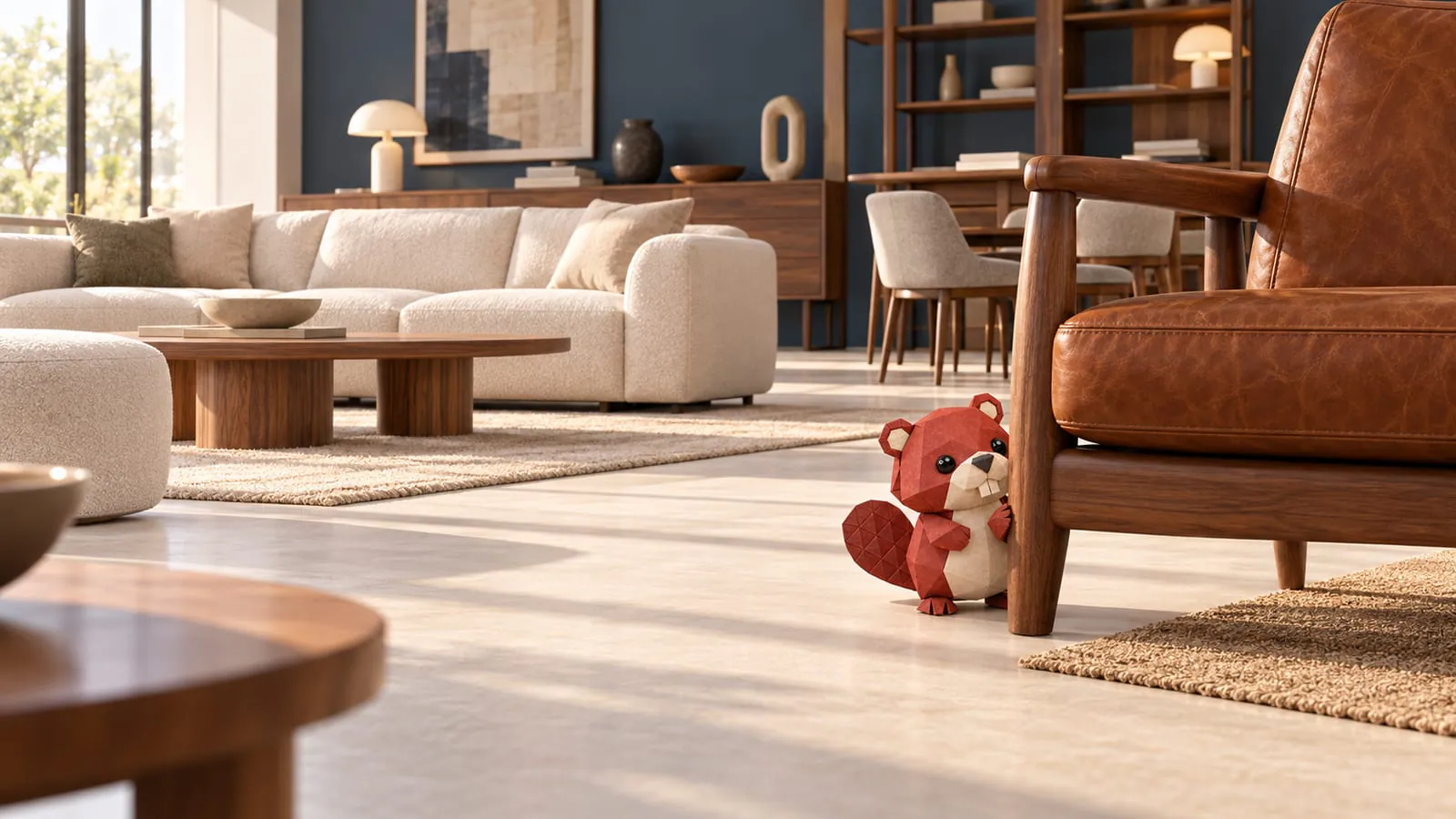
The shopper has made a full circuit of the sofa display, lifted a fabric book, and looked toward the desk. Nobody has said hello. In its account of mystery shops, sales-training vendor RetailDoc reports shoppers being ignored at seven of 12 furniture stores, with first evaluations averaging 30% across its shops. Those are the vendor’s results, not an industry benchmark.
A mystery shop gives you a view of the appointment from the other side. Use a fixed scenario, a clear scorecard, and a private coaching conversation. The purpose is to improve the next customer’s visit.
Tell staff the standard before testing it
Staff should know that mystery shops form part of coaching and what behaviors you assess. Keep the visit itself unannounced. Surprising someone with an unknown standard measures their ability to guess what the owner wanted.
Choose a friend who can follow instructions or a paid shopper with a clear brief. Use a plausible furniture need: a sofa for a family room, a fabric preference, an access question, and a reason to take the quote home. The shopper should let the associate lead, rather than supplying every answer before it is asked.
Keep the scenario consistent across repeat visits. Record the store’s busyness and whether staff were already helping someone. An acknowledgment while finishing another appointment is different from leaving a person invisible. The greeting guide gives the team a standard worth practicing.
Use this 12-point mystery-shopping scorecard
Score each item Yes, No, or Not observed, with a short example. The timing below is a proposed store standard, not a research finding. Adjust it to the promise your team actually makes.
| Item | What the shopper records |
|---|---|
| 1. Acknowledgment | Was the shopper acknowledged, and how long did it take? |
| 2. Opening | Did the greeting invite a conversation without pressure? |
| 3. Purpose | Did the associate ask what brought the shopper in? |
| 4. Room use | Did they explore how the room and furniture would be used? |
| 5. Seating | Was the shopper invited to try the relevant seat? |
| 6. Room thinking | Did the recommendation consider the room around the piece? |
| 7. Measurements | Were room dimensions or delivery access discussed? |
| 8. Product accuracy | Were fabric, finish, and construction answers supported? |
| 9. Quote | Was a useful quote offered when the shopper was ready? |
| 10. Contact | Were contact details requested with a clear reason? |
| 11. Next action | Did both sides understand what would happen next? |
| 12. Follow-up | Did the agreed follow-up arrive, using 24 hours as this example’s target? |
Ask for actions and words, rather than “the associate seemed uninterested.” The note “no question about the room before recommending a sectional” gives the manager something to discuss. A personality score does not.
Shop the phone and website too
A phone inquiry should test whether a colleague can answer the question, identify what needs checking, and carry the conversation forward. Use the same furniture need as the showroom visit. Note whether the person explains when and how they will reply.
For the website, submit a controlled quote request and follow the response through to a useful answer. Assess whether the choices survive the handoff and whether the customer understands the next step. Keep these test requests out of real purchasing and payment activity.
A showroom can be beautifully staged while the inbox is less composed. The sofa cushions usually have someone assigned to them; the unanswered question needs an owner too. Use the roles and permissions guide to clarify who handles the record after the first contact.
Check the record after the visit
In OrderPilot, open the shopper’s sample quote to see whether it was created and sent, review email and quote-open activity, and read the recorded follow-up. If the store uses the optional automatic reminder, it sends at most once and only for a quote still in Draft; an absent reminder on another status is not evidence that the associate missed a task. Compare the record with the promised next action, using the quote-open tracking guide to interpret opens carefully.
Turn a poor score into a specific rehearsal
A terrible score calls for a private review of the evidence. First establish whether the shop was fair, the expectation was taught, and the associate had the tools and support to meet it. Then choose the behavior most likely to improve the next appointment.
Practice that moment together and re-shop after the associate has had time to use it. A quarterly shop is a reasonable starting cadence for this proposed program, with an additional check after focused coaching or a process change. It is a management schedule, not a statistical guarantee.
Keep the same scorecard so changes mean something. Finish with the observed behavior, the practice agreed, and the next review. For a broader curriculum, use the 90-day associate training plan.
Sources
- How to Increase Your Furniture Store’s Closing Rate — Bob Phibbs, RetailDoc; vendor-reported mystery-shop results.
The note about what happened gives the manager something to discuss. A personality score does not.













