Backorders and discontinued fabrics: a retailer's playbook
Confirm the problem, help the customer choose, revise the purchase, and retire unavailable fabric without losing the original agreement.
The OrderPilot team·
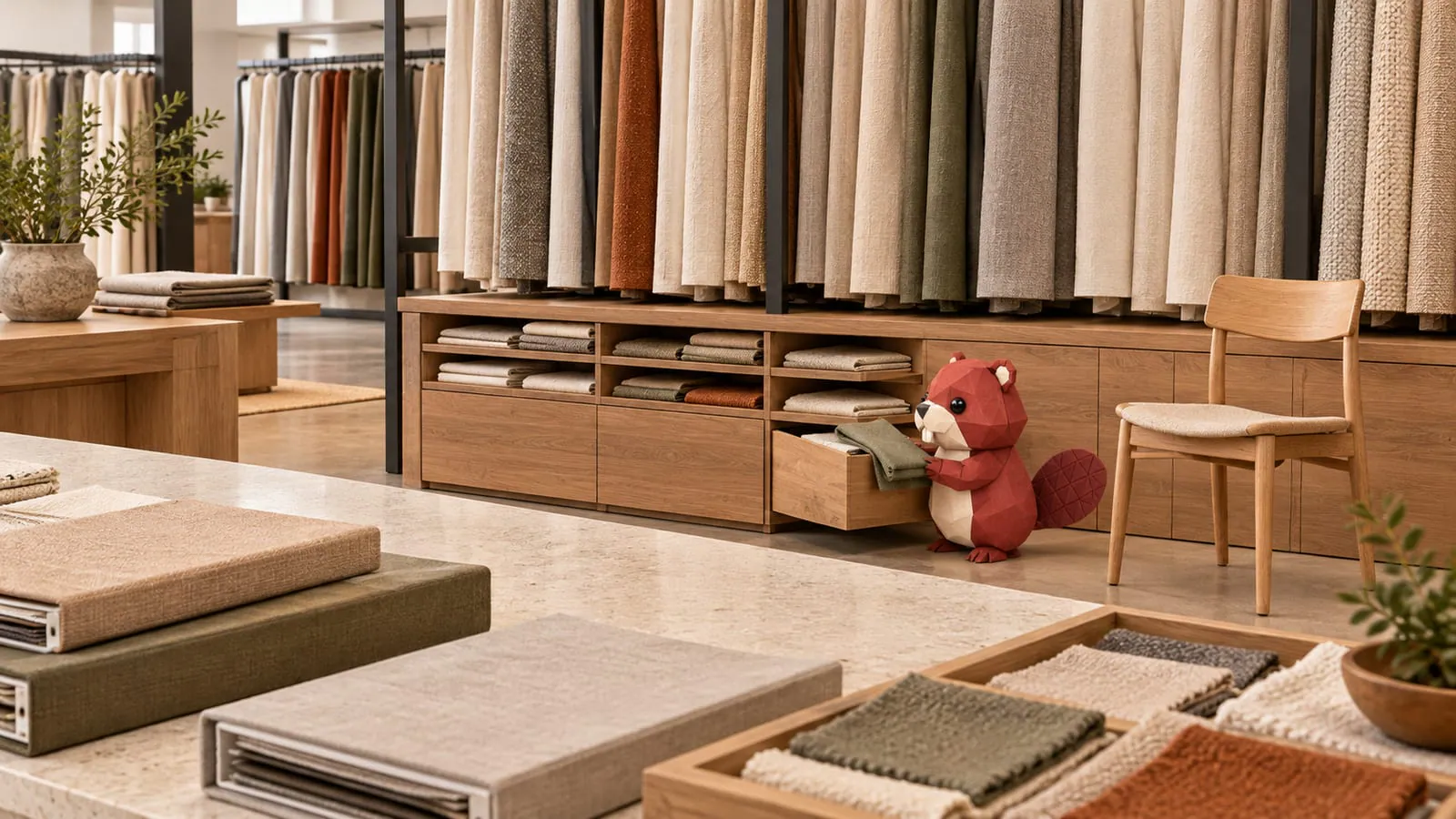
Three pillow fabrics are chosen with the sofa. The next morning, the vendor says none can be supplied. The color scheme was settled; now the customer has another appointment with the sample books. Take that as an illustrative order problem, rather than a story about a named store.
The useful response has a clear sequence: contain the affected purchases, help the customer choose an available route, revise the agreement and PO, and stop the same fabric being sold again. OrderPilot connects those steps through the order, conversations, signature record, purchasing, and shared catalog options.
Distinguish a backorder from a discontinued choice
A backorder means the vendor expects the fabric to become available again; a discontinued choice needs a different plan unless usable remaining stock exists. Ask the vendor to identify which situation applies and what it means for the actual order. “Unavailable” is too vague to take to the customer as the complete answer.
Find out whether the delay affects only the fabric, the production slot, or both. A material arriving at the maker does not mean the completed sofa ships that day. Record the milestone and the estimate together so the store does not replace one uncertain promise with another.
Fabric can be the limiting part of a furniture order even when the frame operation has capacity. Business of Home's August 2022 interviews described imported fabric as a production constraint for an upholstery maker. That historical example supports asking about the material itself, rather than assuming every delay is a queue of unfinished frames. Read the original reporting.
Confirm and contain the affected purchases
Start on the PO conversation. Ask the vendor to confirm the exact fabric code, color, and affected quantities, then request alternatives with their grade, cost, and expected timing. Ask whether any matching material has already been reserved for other pieces on the order. Contain the problem before it spreads. Tell the sales team which choice is under review and establish whether other open orders or quotes use it. Search for the affected product names or SKUs, then inspect their selected options and linked purchases. A search for a sofa is a starting list, not proof that every fabric-dependent order has been found.
Use the catalog's template and shared-bundle relationships to define the review scope. Include saved quotes as well as placed orders, and check any separately configured copies of the fabric choice. Assign the review to a named person so the result is a list of affected records, not several colleagues each assuming somebody else checked them.
Bring the customer a choice with usable information
The customer should compare alternatives that the vendor can actually supply. Gather swatch photographs, a fabric description, grade, price effect, and timing before presenting them. Where texture or color matching matters, invite the customer to review a physical sample rather than treating a screen image as the final decision. On Growth and Professional, the portal conversation can hold photographs and PDFs while the customer considers the options. Keep the question specific: wait for the original material, choose a confirmed substitute, or discuss another outcome. A customer who has already chosen once does not need the entire fabric library returned to their lap. The library has had its turn.
When a different fabric changes the look of companion pillows, piping, or another chair, review the set together. Matching the main sofa fabric while overlooking the contrast detail can create a second correction after the first one seemed finished.
Decide openly who pays for a grade change
A higher-grade replacement does not decide its own payer. The store, vendor, and customer need an explicit agreement about the additional cost. The vendor may offer a substitute on the original terms; the store may choose to absorb the difference; or the customer may agree to a changed price. Record the actual decision.
Say the original illustrative order totals $3,000 and the proposed replacement increases the customer's price by $150. Explain the revised $3,150 total before making the change. If the store instead absorbs that amount, keep the customer price at the agreed total and record the changed purchasing cost accurately.
Avoid presenting a more expensive grade as the only choice until you have established whether a suitable same-price option exists. A fabric substitution is a customer decision about appearance and use as well as money. Keep performance, care, and the relationship to the rest of the room in that conversation.
Re-choose and re-sign the customer agreement
Once the customer decides, change the actual option on the order. A note saying “use the new fabric” leaves the old configuration in the record that purchasing and later service may rely on. The changed specification should identify the approved replacement as clearly as the original. OrderPilot asks for a new signature when a customer-facing change alters the agreement, while keeping the earlier signed record. Include any changed price and terms in the version the customer reviews. The re-signing guide explains that sequence, and a change request after signing follows the customer's side of it.
If the customer prefers cancellation, review the agreement, vendor commitment, and the rules governing the sale before deciding the result. Do not promise a refund amount or refuse a request simply because the maker has received a PO. The post-PO cancellation guide covers that separate decision.
Revise the purchase after the decision is settled
The vendor purchase needs the same version the customer approved. For permitted unreceived lines, update the PO and resend it with a clear revision message. Ask the vendor to confirm the replacement specification, cost, and timing. A sent revision is still waiting for the vendor's answer. Where a purchase must be cancelled and replaced, use the supported cancellation route and obtain the vendor's agreement to stop the earlier commitment. Receiving already recorded against a PO changes what can be edited or cancelled. The PO-change guide keeps those cases distinct.
Keep the customer's timing honest. The original delivery expectation can remain only if the vendor and the rest of the route support it. Otherwise, give the revised estimate, its milestone, and a next update date. Choosing a replacement is progress, but it does not automatically restore a lost production slot.
Retire the fabric from future selling
Retire a discontinued value in its shared option bundle so the templates using that choice stop offering it for new selections. Review the connected templates and storefront presentation after the catalog change, including any separate copies of the option. The catalog-retirement guide handles that work in depth. Existing saved choices remain part of the historical order or quote; retiring a fabric does not silently substitute another one or reprice the agreement. Saved drafts holding a value no longer offered are flagged and require a fresh choice before creation. Review those records through the customer-change process rather than treating the flag as permission to choose for the customer.
For a temporary backorder, decide whether the fabric should remain offered with a truthful explanation, or be withheld while timing is uncertain. Make the decision consistent across the showroom and website. A sales associate should not keep promising a standard lead time because the physical swatch is still hanging in the book.
Use different messages for waiting and choosing again
For a backorder, sample wording might read:
The maker has confirmed a delay to your chosen fabric. We are checking the revised production and shipping estimate before giving you a new delivery expectation. You can consider waiting for that fabric or reviewing available alternatives. We will send the details and the next step by Friday.
For a discontinued fabric, the message needs to make the decision clearer:
The maker can no longer supply the fabric on your order. We have asked for available alternatives and will show you their appearance, price effect, and timing before changing anything. Your original choice remains on the record until we agree the replacement or another outcome with you.
Use the store's real follow-up date and the customer's actual options. Preserve the answer, revise the right records, and confirm the vendor's acceptance. The purchasing pillar connects that recovery to the buying process the team uses every day.
Sources
- Is the lead time crisis almost over? — Business of Home, August 17, 2022; original manufacturer interviews on material constraints.
Agree the replacement with the customer before it becomes the maker's instruction.













