What is a floor model, and should you sell one?
A floor model is the piece customers have seen and tried in the showroom. Sell the exact unit with its condition, price, and coverage clearly recorded.
The OrderPilot team·
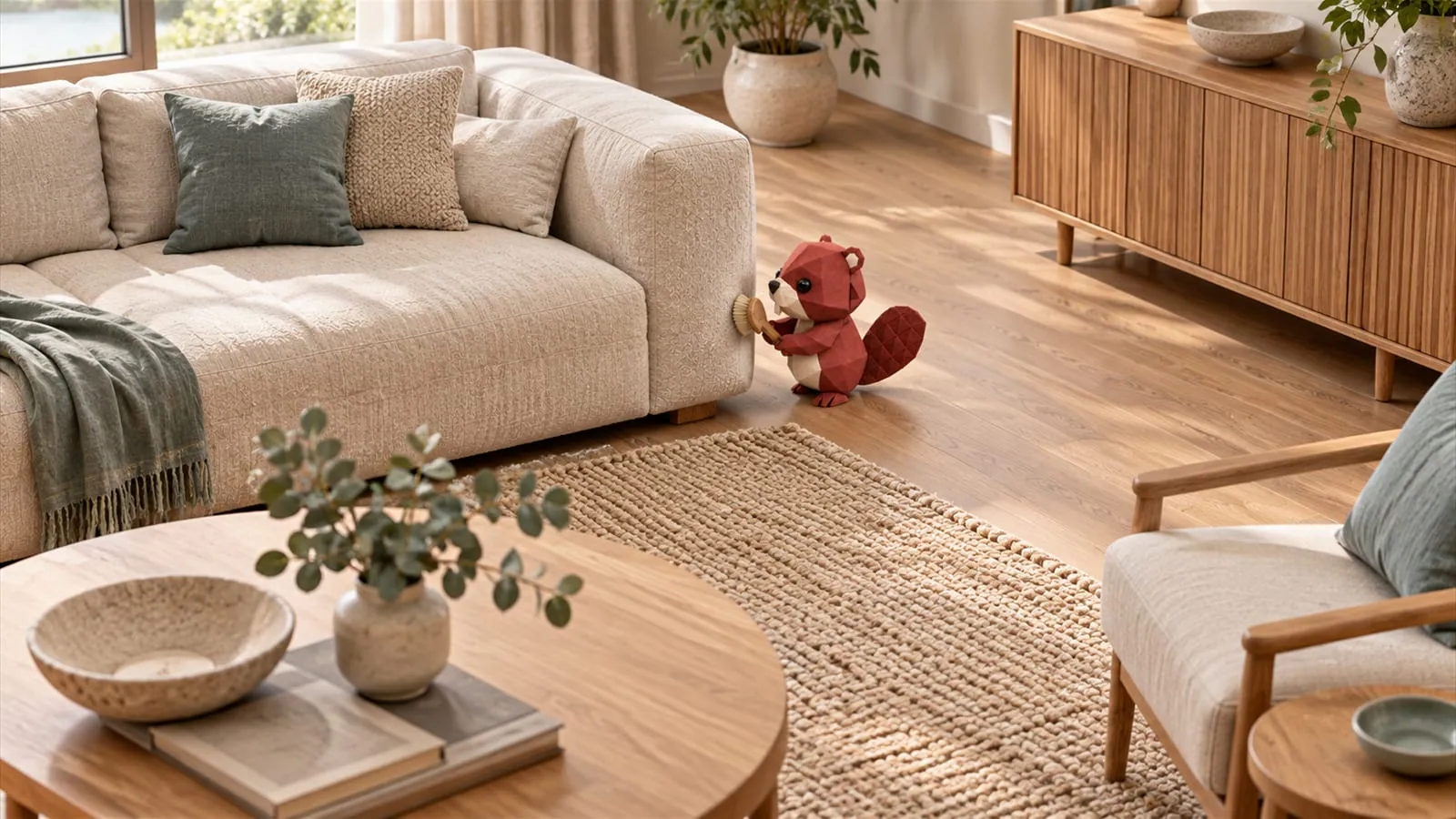
The Madison sofa has a faint pen mark, a well-exercised seat cushion, and the space your next collection needs. A customer wants that very piece. A floor model, or floor sample, is furniture used for display and demonstration before being sold.
The decision is about the exact unit: its condition, the value of keeping it on display, the selling price, and the coverage that goes with it. A markdown alone does not explain those things to the customer.
General information, not legal advice.
How is a floor model different from clearance or overstock?
A floor model has been displayed. Clearance describes a selling decision, while overstock describes inventory held beyond the store’s needs. An unopened overstock chair can be on clearance without ever having been a floor sample.
Keep those descriptions separate on the quote. The customer should know whether they are buying the display piece they inspected, an unused boxed unit, or a new piece ordered in the same configuration.
The showroom cushion has had a public-facing career. That does not make it unusable, but it does make its condition worth describing precisely.
When should the store sell a display piece?
Review floor pieces alongside other aging stock, including their display purpose. A strong seller may still be earning its place by helping customers choose new orders. A discontinued model or a configuration that no longer represents the collection can occupy valuable space without doing that job.
Before setting the price, establish the piece’s landed cost, condition, and replacement plan. Include any agreed cleaning, repair, or delivery work in the decision. Use the aged-inventory and floor-sample guide to build a review routine instead of waiting until the next delivery needs the space.
For an illustrative sale, a display sofa cost the store $1,000 landed and is offered at $1,400. If the store includes $100 of preparation and delivery expense, the difference remaining before other operating costs is $300. The decision should use those actual components, not just a discount percentage from the old ticket.
What condition should you disclose?
Describe visible marks, wear, missing parts, repairs, and any functional issue specifically. Photograph the actual unit and identify it on the sale. “Small ink mark on the outside left arm” is useful; “as seen” leaves too much to memory.
Let the customer inspect the piece and record the condition they are accepting. Keep promised work explicit, such as cleaning the cover or replacing a foot before delivery. An accepted mark and an uncompleted repair promise are separate facts.
Avoid promising that a mark will come out unless the store is prepared to deliver that result. A discount should not depend on an untested cleaning theory.
Can you sell it with no warranty at all?
Do not assume “as is” removes every warranty obligation. The FTC’s federal warranty guide explains that implied-warranty disclaimers are allowed in many states but restricted in others. Federal rules also restrict disclaimers when the seller provides a written warranty or enters a covered service contract.
Check your floor-sample terms with your attorney, including the state rules, any maker warranty, and any service contract involved. A store’s internal coverage setting cannot decide the customer’s legal rights.
The furniture warranty-law guide explains the wider framework. For the sale itself, state what coverage is being offered, who provides it, and any lawful, specific exclusions the customer needs to understand.
Should a floor model have a serial number?
Keep the maker’s serial number when one exists. It helps identify the physical unit that was inspected and sold, particularly when identical configurations remain in the showroom or warehouse.
If the product has no manufacturer serial, use the store’s inventory identification consistently. Do not invent a manufacturer number. Condition photos, the stock record, and the order should all point to the same piece.
What if the customer wants a new one in that fabric?
Create a new-order sale for the same specification, then verify that the fabric, finish, and frame are still offered. A display ticket is evidence of what the sample is, not proof that the maker still produces it.
Explain the new price and lead time separately from the floor-model offer. The customer should not receive the display unit’s markdown or condition terms by accident merely because the configuration looks the same.
How does OrderPilot record the floor-model sale?
On Shopify POS, select stock at the current location for the piece being sold and apply the item discount with its reason. Record the condition on the line so the order describes the particular sale. Where the optional warranty module is enabled, staff with permission can use a permitted line-level override or exclusion to reflect the agreed coverage. Review the resulting terms on the customer’s paperwork before signing. Use the coverage hierarchy guide to establish the default and the coverage-exceptions guide for the documented exception. The signed record should preserve what this customer bought and what the store agreed to provide.
Sources
- Businessperson’s guide to federal warranty law — Federal Trade Commission.
Sell the exact unit, with its condition and coverage described as carefully as its price.













