Swatch checkout: tracking the fabric samples customers take home
Let the sample help the customer decide at home, then bring it back into circulation. A short log and an agreed follow-up keep both jobs clear.
The OrderPilot team·
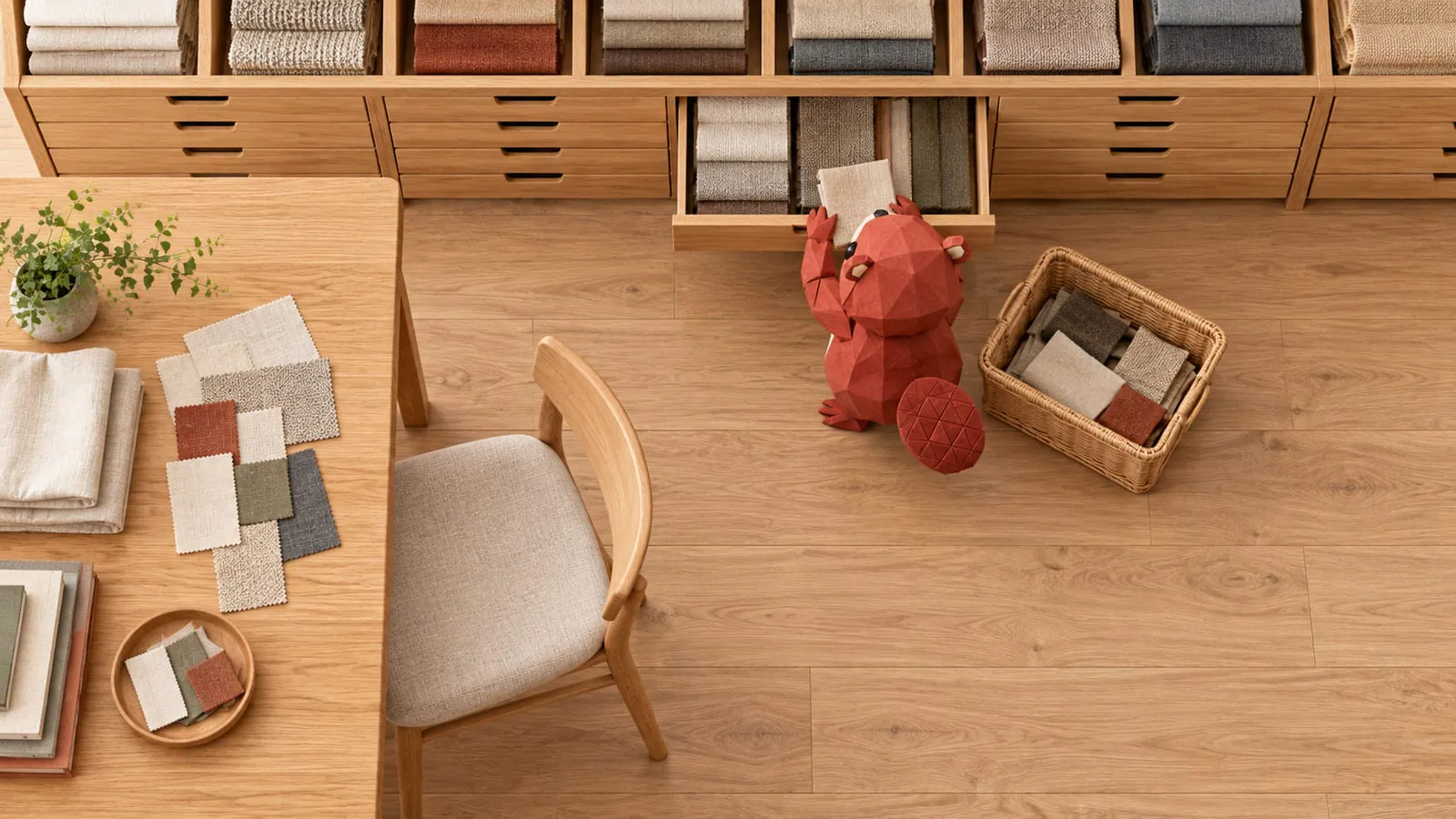
Picture a Friday afternoon: the best-selling fabric book is missing four swatches. They are draped over sofa arms in four different homes, being judged in different light. Nobody wrote down where they went. The showroom has become a lending library with a very relaxed librarian.
A swatch checkout system needs only a reliable log, a return routine, and a useful follow-up. Let the customer take the samples needed to decide, record exactly what left, and agree on when the store will hear back. The sample should keep the sale moving without leaving the next customer an incomplete book.
Let the sample answer a question at home
A take-home sample helps the customer compare the fabric with the rug, wall color, and other furniture. It also lets an absent partner handle the material. At-home comparison is an established retailer practice: this showroom’s own service page explicitly invites customers to take swatches home and try them in their space.
Give the loan a purpose. Ask what the customer is comparing and which choices are still in contention. A focused selection is easier to assess than a bag of every neutral in the drawer. Keep the sample’s vendor name, fabric code, and color legible and connected to the quoted choice.
Care questions need the maker’s instructions too. A swatch shows texture and color; it does not explain every cleaning restriction or predict every kind of wear. Pair the selection with the fabric cleaning-code guide where that is the customer’s concern.
Keep the checkout log short enough to use
Record the loan before the sample leaves. The associate needs to capture the exact item and enough information to contact the borrower and find the quote. Keep customer contact details in the store’s protected records rather than on a sheet visible to other shoppers.
| Date out | Customer / record reference | Quote reference | Vendor, fabric, color, sample ID | Associate | Return due | Returned / condition |
|---|---|---|---|---|---|---|
Give individual swatches or loan bundles a stable identifier where identical copies exist. Record whether an entire book went out. A returned square is not the return of a complete book, even when the square is the one the customer preferred.
Place a return basket where staff can receive samples easily, then assign someone to inspect and restore them to the library. Mark the loan returned when it is physically back. A basket full of unidentified samples is only a second place to lose them.
Set limits and deposits around replacement cost
There is no universal number of swatches every customer should take. Set a limit that gives the customer a useful comparison while keeping the showroom usable. Consider duplicate stock, replacement cost, vendor availability, and whether the sample is a small cutting or an expensive book.
A refundable sample deposit can make sense for costly or scarce loan items if the store can administer it clearly. Explain the amount, return conditions, and refund process before taking it. Keep that loan deposit separate from any payment toward the furniture purchase unless the customer has expressly agreed to a different arrangement.
For an illustrative routine, lend two final fabric choices for a weekend comparison and agree to contact the customer on Monday. If they still need another option, exchange the samples deliberately. The numbers are a working example; the purpose is to help the customer narrow the choice.
Follow up about the room, not the missing asset
Lead with the decision: “How did the oatmeal linen look beside your rug? Would you like to keep that choice, or compare the warmer sample?” Then ask whether the customer can return the samples at the planned time. Useful follow-up gives the customer something besides an overdue notice.
Agree on timing during checkout. A suggested three-day check can work for someone comparing samples immediately, but it makes little sense if their partner is away. The first follow-up message guide helps keep the wording specific to the visit.
If a sample does not return, contact the customer once through the agreed route, offer a simple return option, and follow the published loan policy. Record a lost sample and arrange replacement when needed. Include replacement spending in the library’s budget rather than waiting for the missing color to disrupt another sale.
Use mailing when it helps the decision
Mailing samples can support online shoppers who cannot visit. Distinguish samples the customer may keep from loan items that must return. Confirm the address, chosen fabric references, any charge, and the return method before sending.
Do not remove the showroom’s only essential swatch without a replacement plan. A dedicated mailing supply or maker-supplied cutting can serve the customer while keeping the floor library intact. Track what was sent so the next conversation uses the same material names.
OrderPilot does not track swatch loans, but the associate can note the borrowed samples and agreed next contact on the quote. Template swatch images help keep the selected fabric recognizable in the quote, and the customer conversation can hold the comparison. If enabled, one automatic reminder can follow an inactive quote still in Draft; personal sample follow-up remains the associate’s job.
Review the loan log beside your showroom close-rate work: which loans produced a decision, and which stalled because the customer needed another answer? Use clear swatch and finish presentation on the quote, then build the wider swatch program around the same return routine.
Sources
- Visit our showroom — Urban Natural Home; original retailer description of taking swatches home to compare in the customer’s space.
The sample should help a decision and have a clear way back.













