Floor resets: how often to move, restyle and rotate furniture floor samples
Keep the showroom fresh with routine care, focused restyling, and planned moves. Give tired samples a decision instead of another lap of the floor.
The OrderPilot team·
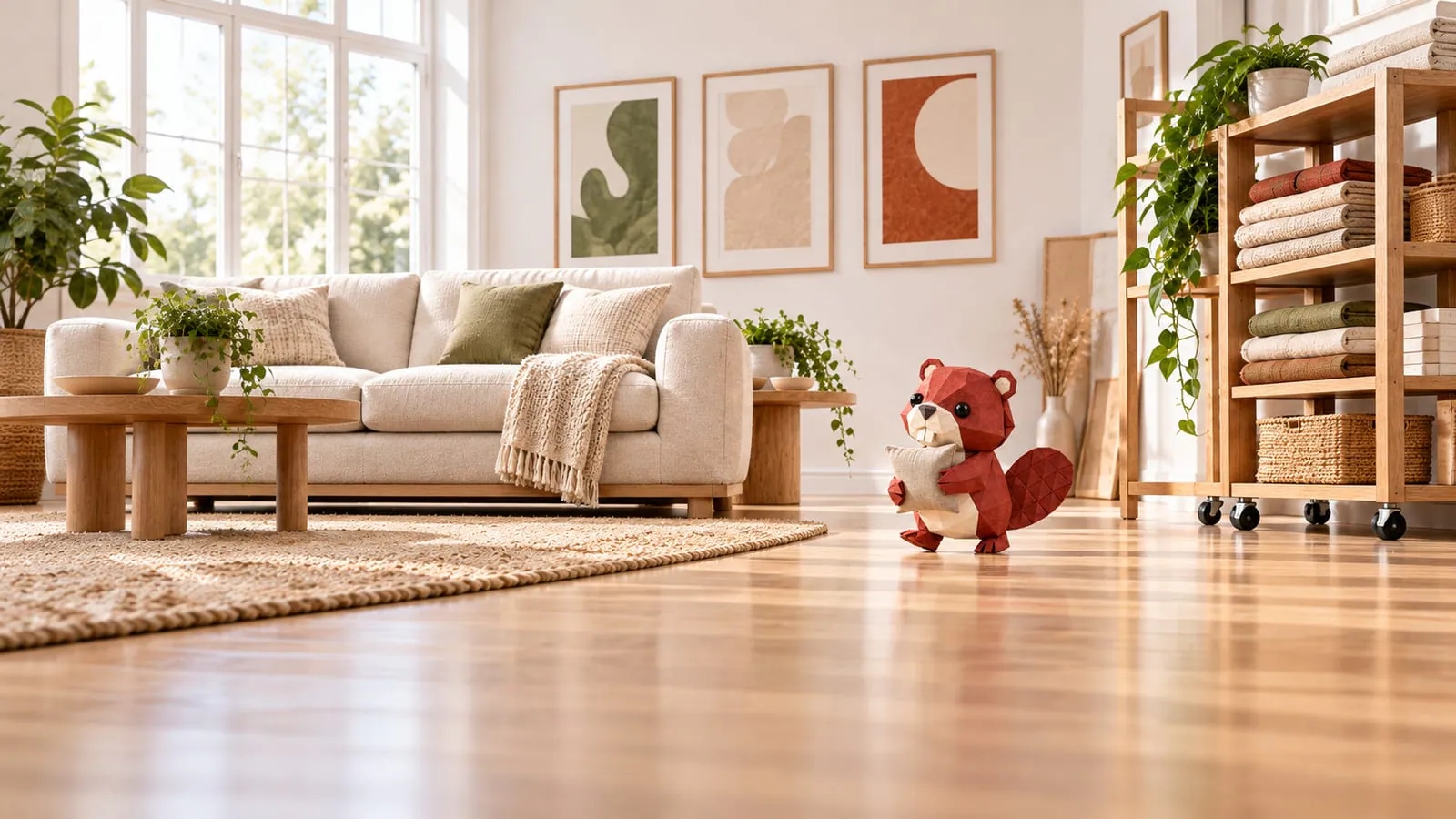
A returning customer looks around and says, “Nothing's new.” The store has changed plenty of merchandise, but the focal sofa is in the same place, with the same pillows beneath the same art. The customer is responding to the room she remembers, not counting purchase orders.
Use a repeatable reset rhythm: frequent care, modest restyles, deliberate furniture moves, and seasonal stories planned before the merchandise arrives. The weekly, monthly, and quarterly schedule below is a practical starting proposal, not an industry-tested frequency. Adjust it to the store's traffic, staffing, and rate of change.
Keep routine care separate from a redesign
Touch-ups restore the intended display. Straighten cushions, clean surfaces, return samples, check tags, and replace or restyle around sold accessories. Do this before the store opens and as needed during trading, with a more deliberate weekly walk to catch what daily familiarity missed.
A sold lamp should trigger a display decision promptly. Replace it from approved back stock, move a suitable alternative into the setting, or restyle the composition. Do not leave the empty table waiting for someone to remember how the room used to look. A row of abandoned lamp cords is a rather literal interpretation of unfinished business.
Keep a short photograph of the intended display where the team can use it. The photograph helps someone restore the arrangement after cleaning or a customer demonstration. It should not prevent a thoughtful improvement; it simply gives routine care a known starting point.
Use the showroom layout guide for circulation and focal points. Daily care should preserve those choices, including the clear space needed to sit, pull out chairs, and operate furniture.
Restyle a room before deciding to move it
A monthly restyle can change the room's emphasis without moving its principal furniture. Switch the palette, simplify the tabletop, replace tired art, or select a rug that better explains the sofa's scale. Keep the result coherent with merchandise customers can actually buy or clearly identify props as props.
Here is an illustrative restyle of the same sofa and chair:
BEFORE                         AFTER
Busy small art                 One calmer large artwork
Dark pillows + heavy throw     Lighter pillows + folded linen
Crowded coffee table           One useful tray and clear space
Sofa and chair unchanged       Sofa and chair unchanged
The point is a clearer room, not a compulsory seasonal color. Evaluate the result from the aisle and from the seat. A pillow that looks beautiful in a wide photograph but obscures the cushion feel should be removed when the customer tests the sofa.
Give someone responsibility for the whole setting. If every associate independently adds a favorite accessory, the display can become a collection of reasonable individual decisions with no shared idea. The vignette-accessorizing guide helps keep the supporting pieces in proportion.
Budget props as operating equipment
Separate saleable accessories from display-only props. Saleable pieces need stock records, prices, and replenishment decisions. Props need a modest budget, a storage place, and a reason to be kept. An unpriced vase that staff occasionally sell from memory fits neither system very well.
For an example quarterly refresh, allow $600: $400 for reusable materials across four focal displays and $200 held for replacement or a specific missing piece. If the work takes six staff hours at an assumed loaded cost of $20 an hour, the total planned cost is $720. Those figures are a budgeting exercise, not a recommended spend for every showroom.
Use the store's actual labor and purchasing costs. Track what remains useful after the season so a nominally inexpensive refresh does not become a recurring purchase of disposable décor. Borrow from existing inventory thoughtfully, with the same handling and accountability as any other stock.
Move key displays with a selling purpose
Quarterly furniture moves can bring a neglected collection into a stronger sight line or give a new arrival the room it needs. Choose the reason first: easier comparison, a better focal point, a missing room story, or more useful access to a popular frame.
Do not move a bestseller simply because it has been in one place for a while. If the position is productive, a restyle may be enough. Conversely, do not keep a weak display in the best location because moving it is inconvenient. Compare what the area is doing with the job the store wants it to do.
Plan the movement with staff who know the handling requirements. Clear a staging area, protect the pieces, and complete one usable zone at a time. Finish tags, light aiming, accessories, and the customer route before declaring the move done. A sofa in a new location is only part of a finished display.
Give the floor team a short walk afterward. Show where key pieces moved, which configurations are displayed, and what changed in the room story. The reset should make the next customer conversation easier, not turn the associate into a search party.
Help staff find the chair the customer remembers
Keep stable product identifiers and a simple location map. Record a before photo and the new location for moved display pieces. A note such as “oak lounge chair: window vignette to rear reading area” is more useful than “chairs moved.”
When a customer returns for “that chair by the blue rug,” use the photo and identifier to find the piece. Retain useful earlier display photos for this purpose, while making the current map obvious. Customer photographs can also help identify the previous arrangement.
If a piece moved to another showroom, record the physical transfer and tell the team where it is available to see. The cross-showroom floor-model guide covers that handoff. A visual reset should not leave inventory records behind in the old room.
Plan seasonal stories around real availability
A suggested year might include outdoor living in spring, flexible guest or family spaces in summer, dining and gathering in fall, and a quieter reading or bedroom story in winter. Choose themes that fit the local climate and customer, rather than reproducing a national calendar without looking outside.
Plan backward from arrivals and special-order lead times. A display intended to sell furniture for a particular occasion needs a credible path to getting it home. Where a sample represents a later order, say so clearly instead of allowing the seasonal setting to imply immediate availability.
Use market buying to fill identified gaps in those stories. Buying a striking piece first and inventing an entire room to accommodate it can be expensive. A dramatic accent works best when the store can explain why it belongs in the customer's home as well as in the window.
Give tired samples a decision
Review a sample for retirement when wear prevents it from representing the product well, its options are discontinued, or its performance no longer justifies the space. First establish whether the issue is the product, the display, the price explanation, or simple lack of exposure.
A move is appropriate when the sample is sound and the store has a plausible better use for it. A markdown is a different decision, usually involving its condition, age, availability, and replacement plan. Use the aged-sample markdown guide for the pricing side and the floor-model guide for the customer-facing condition record.
Keep clearance deliberate. A defined area can present reduced pieces clearly without making the front of the store look like the holding pen for every unresolved buying decision. Remove sold units on a planned schedule and restore the display they leave behind.
Put ownership on the calendar
Salespeople can handle routine care and contribute observations; a merchandiser or designated floor lead should coordinate the whole presentation. Larger moves need operations support. Even without a dedicated merchandiser, one person should approve the final arrangement and verify that product information is current.
| Rhythm | Task | Suggested owner | Finish check |
|---|---|---|---|
| Daily and weekly | Restore, clean, straighten, and check missing pieces | Opening team and floor lead | Display matches the intended presentation |
| Monthly | Restyle selected focal rooms | Merchandising lead with associate input | Tags, samples, and photography updated |
| Quarterly | Review and move selected furniture displays | Owner, floor lead, and operations | Routes, stock locations, and staff briefing complete |
| Seasonal | Prepare a coherent customer story | Buying and merchandising leads | Merchandise and delivery promises support the theme |
| When condition or range changes | Retire, replace, or reprice a sample | Authorized owner or buyer | Condition, stock, and replacement plan recorded |
Start with one tired vignette and the accessorizing guide. Make a visible improvement with the furniture already there, record what changed, and use that experience to set the store's own sustainable rhythm.
A move, a restyle, and a markdown solve different problems.













