Scent, music and temperature in a furniture showroom
Make it easy to sit, compare, and talk. The store's atmosphere should support the furniture conversation without becoming part of the problem.
The OrderPilot team·
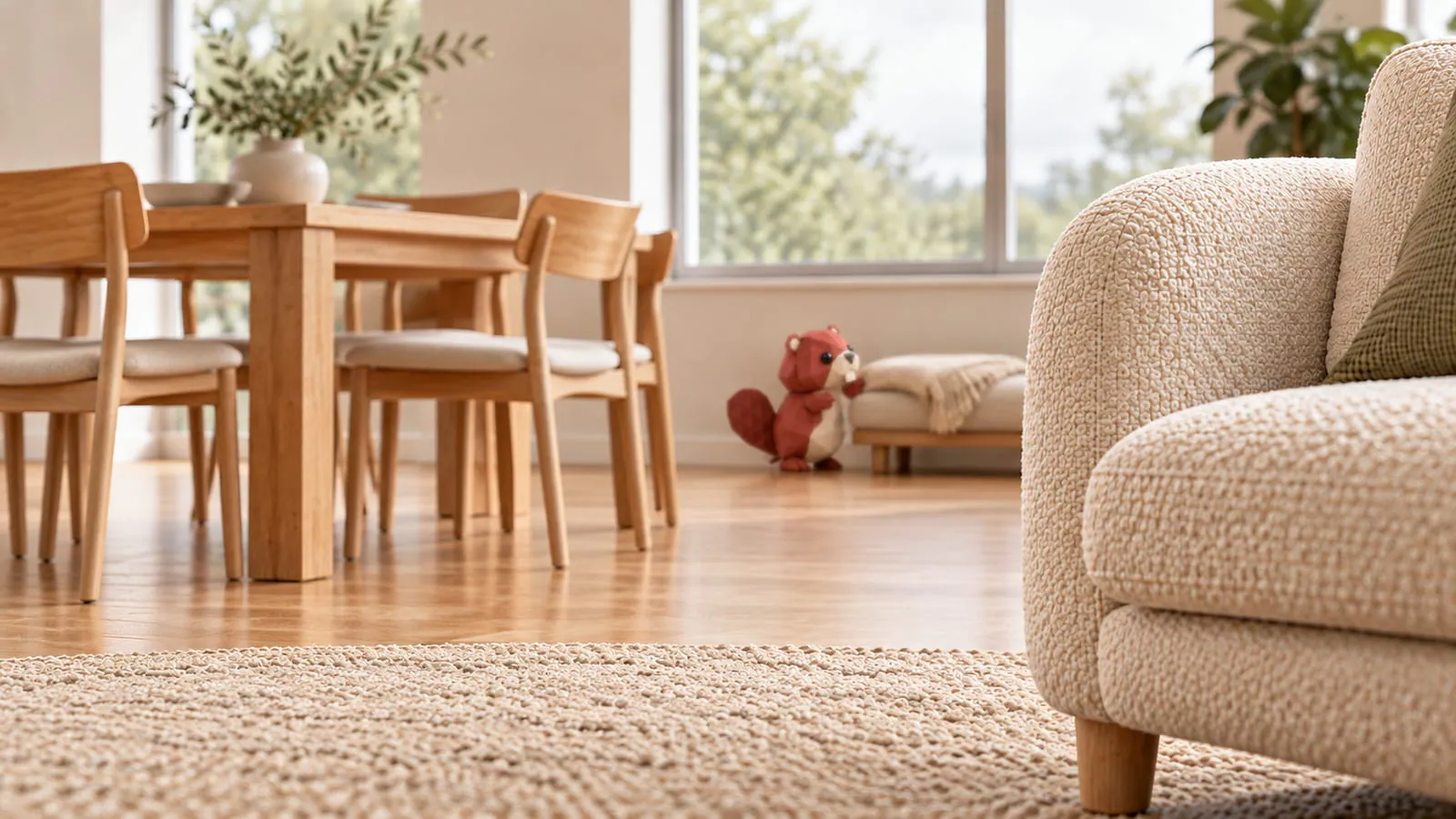
A couple comes in to spend an hour trying recliners. They leave after twelve minutes. The room is cold, the music competes with their conversation, and an open warehouse door carries an unpleasant smell onto the floor. In this illustrative visit, nobody complains; the chairs simply lose their audience.
Showroom atmosphere is the combination of sound, smell, light, and physical comfort surrounding the furniture. Set it for customers who need to sit and talk, then inspect it from their position. The best starting point is an unobtrusive environment, not a complicated sensory-marketing program.
Make music easy to talk over
Background music should leave ordinary conversation effortless at the seats and consultation table. Test it where the customer sits, especially beneath a speaker. What sounds quiet at the order desk can be intrusive beside the sofa receiving the full output.
Milliman's 1982 supermarket study found that music tempo affected traffic pace and sales volume in that setting. It does not establish a furniture-showroom sales uplift or a universal playlist formula. Treat slower, calmer music as a practical option to test, not a measured promise that a customer will buy more.
Give one person ownership of the playlist, volume, and operating hours. Staff can suggest music within the store's brief, but changing the atmosphere to suit each shift makes the experience inconsistent. The customer came to compare recliners; they need not settle the team's musical disagreements as well.
Check that the music service is licensed for business use and that its coverage fits the store. A personal subscription is not that confirmation: Spotify's own terms guidance explicitly limits its service to personal, noncommercial use. Resolve the service arrangement before making a staff member's phone the showroom sound system.
Fix the source of a smell before adding fragrance
Investigate cardboard storage, damp textiles, restrooms, cleaning materials, and air moving from loading areas. If vehicle exhaust is entering the showroom, address the source and ventilation with the appropriate building or operations team. A diffuser is not a remedy for an air-quality problem.
Scent research is narrower than the sales pitch around it. Mattila and Wirtz's research summary reports better store evaluations when the arousal qualities of scent and music matched in their field setting. That does not mean every furniture store should add fragrance, or that a particular scent will suit every visitor.
Start without added scent. If the store considers a diffuser, trial it lightly in a limited setting and ask for staff and customer feedback. Include sensitivity concerns, maintenance, and recurring cost in the decision. If visitors find it unpleasant, remove it; the benefit of an atmosphere customers dislike is difficult to defend.
The room should smell clean because the causes of bad odors are handled, not because a stronger smell has won. Keep unscented cleaning options in the review where they fit the task and product instructions.
Set temperature for the person sitting still
Use the building's normal occupied setting as a starting point, then test the actual seats and consultation areas. There is no single thermostat number in this guide that can account for the building, weather, clothing, sunlight, and drafts. A comfortable reading at the thermostat can coexist with a cold chair beneath a vent.
Ask a staff member to sit through a realistic product conversation. Note cold air, direct sun, hot spots, and surfaces that feel uncomfortable. Review recurring problems with facilities rather than letting employees repeatedly change the entire store's temperature after moving heavy furniture.
Offer water where the store can keep the station clean and maintained. Leave a quieter place for customers to compare choices together. Couples deciding at home often need room to talk; a calm consultation area can support that conversation without an associate filling every pause.
Use an opening check that leads to a fix
Try a five-minute sensory walk before opening as a simple working routine. It is a suggested check, not a tested duration. Enter from outside so the first impression is fresh, then sit in a focal display and at the consultation table.
| Check | What the opening team does |
|---|---|
| Sound | Hold a normal conversation near speakers and in the quiet area. |
| Smell | Identify unusual odors and inspect likely sources. |
| Temperature | Sit still, notice drafts and sunlight, and flag uneven zones. |
| Light | Check failed lamps, glare, and visibility of tags and samples. |
| Follow-through | Name the person handling each problem and verify the result. |
Repeat the check after a meaningful change, such as moving a display beneath a vent or changing the speaker arrangement. Ask staff to report where customers appear uncomfortable, while keeping observation separate from an assumption about why someone left.
Use the full showroom audit for recurring issues and the layout guide when the room itself needs adjustment. The aim is straightforward: customers should be able to give the furniture their attention without the environment asking for it first.
Sources
- Using Background Music to Affect the Behavior of Supermarket Shoppers — Ronald E. Milliman, Journal of Marketing, July 1982. Publisher abstract.
- Congruency of Scent and Music as a Driver of In-Store Evaluations and Behavior — Anna S. Mattila and Jochen Wirtz, research summary of their 2001 study, hosted by Scentcom.
- Spotify for public or commercial use — Spotify Support.
Set the atmosphere for the person sitting still and trying to decide.













