Sell the room, not the sofa
Help customers see how the pieces work together, then quote the purchase they actually want. A complete room can still be bought in stages.
The OrderPilot team·
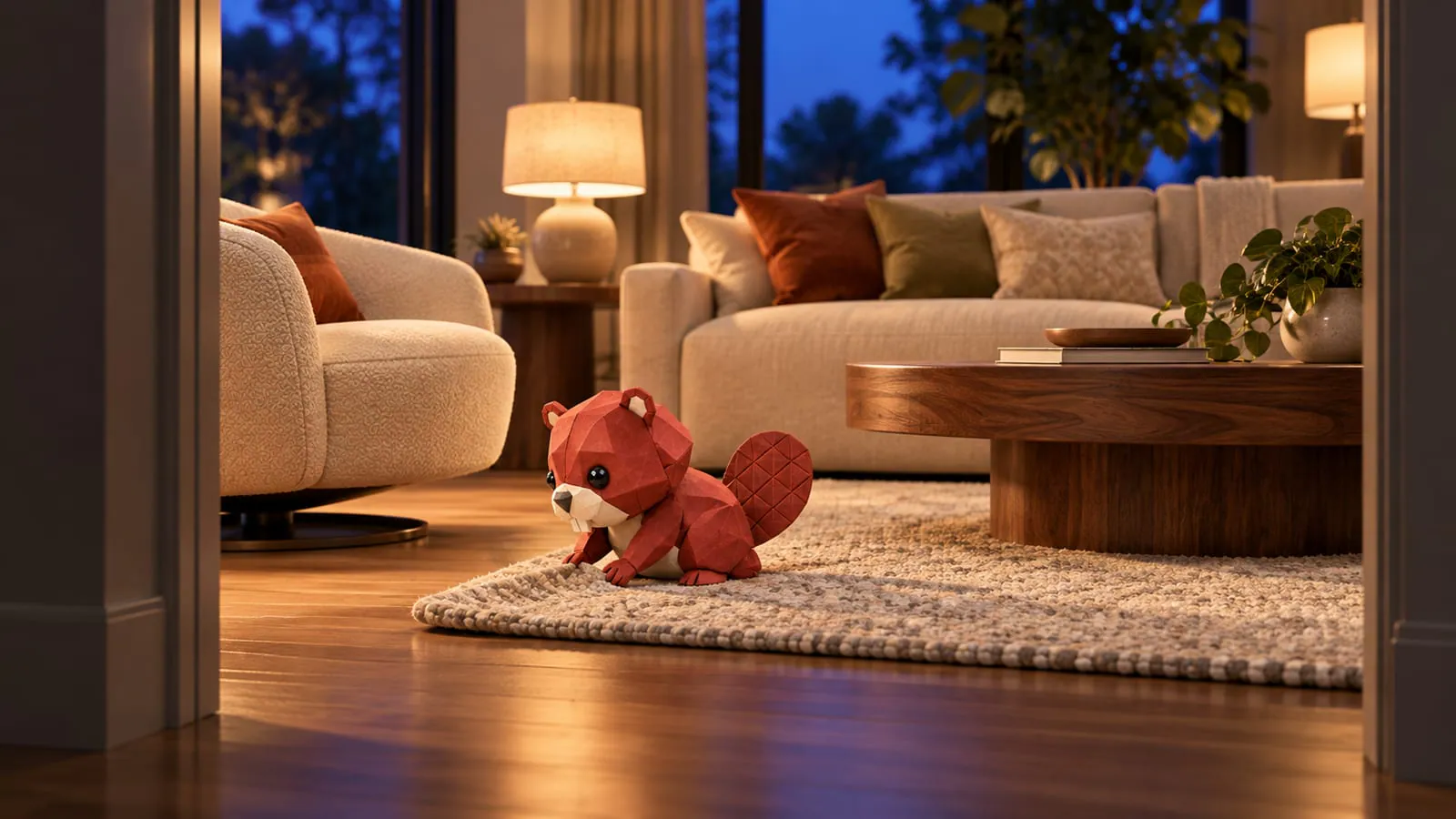
She came in for a sofa. She is standing in a vignette with that sofa, swivel chairs, a walnut cocktail table, and a wool rug that pulls the room together. She keeps touching the chairs. The associate writes up the sofa.
Selling the room starts by asking whether the customer wants help with the room. Show how the other pieces solve a need, price them clearly, and let the customer decide what belongs in the purchase. The aim is a room that works, not an order with a compulsory lamp.
Offer the room as a useful choice
Begin with the anchor piece the customer came to see. Ask what is staying at home and what still needs solving. “Would it help to look at the seating around it?” makes the offer clear. If the existing chairs are staying, work around them. A complete room is not necessarily a completely new room.
Walk the vignette in terms of use. A swivel chair can face the conversation or the window. The table needs to sit where the customer can reach it. The rug needs to relate to the arrangement they will actually have. Show the connection, then stop long enough to hear whether it matters.
Sales trainer Bob Phibbs advocates whole-room selling in his furniture-floor advice. Your judgment is to keep the customer’s room and budget in charge of that approach. The most expensive version is useful only if you can explain a difference the customer values.
Name the contents before naming a package price
A room quote should show exactly what the customer receives. List quantities, dimensions, selected options, and any pieces pictured but excluded. In its research on sets and bundles, Baymard explains why clear contents and quantities help shoppers understand an offer. The same clarity belongs on a showroom quote.
Here is an illustrative room plan before tax: a $3,000 sofa, two chairs at $750 each, a $500 table, a $700 rug, $100 of design time, and $200 delivery. The total is $6,000. Read the contents with the total so “the room” does not quietly exclude the rug under everyone’s feet.
If the customer wants to remove the chairs, make the revised total visible. Do not let optional pieces remain on the version they are asked to approve. A room plan and a purchase agreement have different jobs, even when they started at the same table.
Put the chosen room together in OrderPilot
OrderPilot can hold the configured sofa alongside regular Shopify products, such as stocked chairs and a rug, on one quote. A design-time service line represents the work, while a named delivery fee explains the charge. The customer can review the whole purchase without assembling a price from separate conversations. The quote PDF carries those selected pieces and charges. Staff can choose how physical items go home individually: a stocked piece today, pickup when ready, or delivery later. Explain what the delivery service includes as part of that choice. For a repeatable set, such as a fixed modular sectional, a composition adds its predefined pieces from the Admin picker as separate lines. That preserves the parts the team needs to order and handle. The guide to compositions and services explains that structure; mixed quotes covers the customer’s combined purchase.
Let the customer buy the room in stages
When the budget covers only the sofa, settle the sofa. Keep the rest of the plan as a separate quote or future phase, using the same descriptive project reference. Record what coordinates with the selected fabric so the next visit can begin with the existing decision.
Recheck price, stock, and availability before a later phase is accepted. A coordinated plan does not reserve a stocked chair or freeze a future vendor’s offer. OrderPilot keeps saved quote prices; staff still need to review an older quote before presenting it again. Make the next conversation about the choices still open.
Make discounts a policy decision
A larger purchase does not automatically justify a room discount. Consider the complete cost of the offer, any vendor restrictions, and who can authorize an exception. State a permitted discount clearly on the quote rather than hiding it in altered item descriptions.
Use average-ticket measures alongside the store’s close rate to judge the selling practice. A rising ticket tells only part of the story if the team is buying that increase with concessions or quoting pieces the customer does not want.
Before presenting the final version, review seating, tables, lighting, rug, storage, delivery, and any protection option discussed. Each should be included, explicitly deferred, or unnecessary for this room. Then move to one clear quote for the selected pieces and services.
Sources
- Include contents and quantities in the list item for sets and bundles — Baymard Institute, October 8, 2024; original usability research.
- How to increase your furniture store’s closing rate — Bob Phibbs, The Retail Doctor; sales-training advice on presenting the room.
A complete room is not necessarily a completely new room.













