Why furniture shoppers leave without buying, and the reasons you can fix
Price, an absent partner, missing measurements, fabric doubt, and timing need different answers. Find the unfinished decision before offering a discount.
The OrderPilot team·
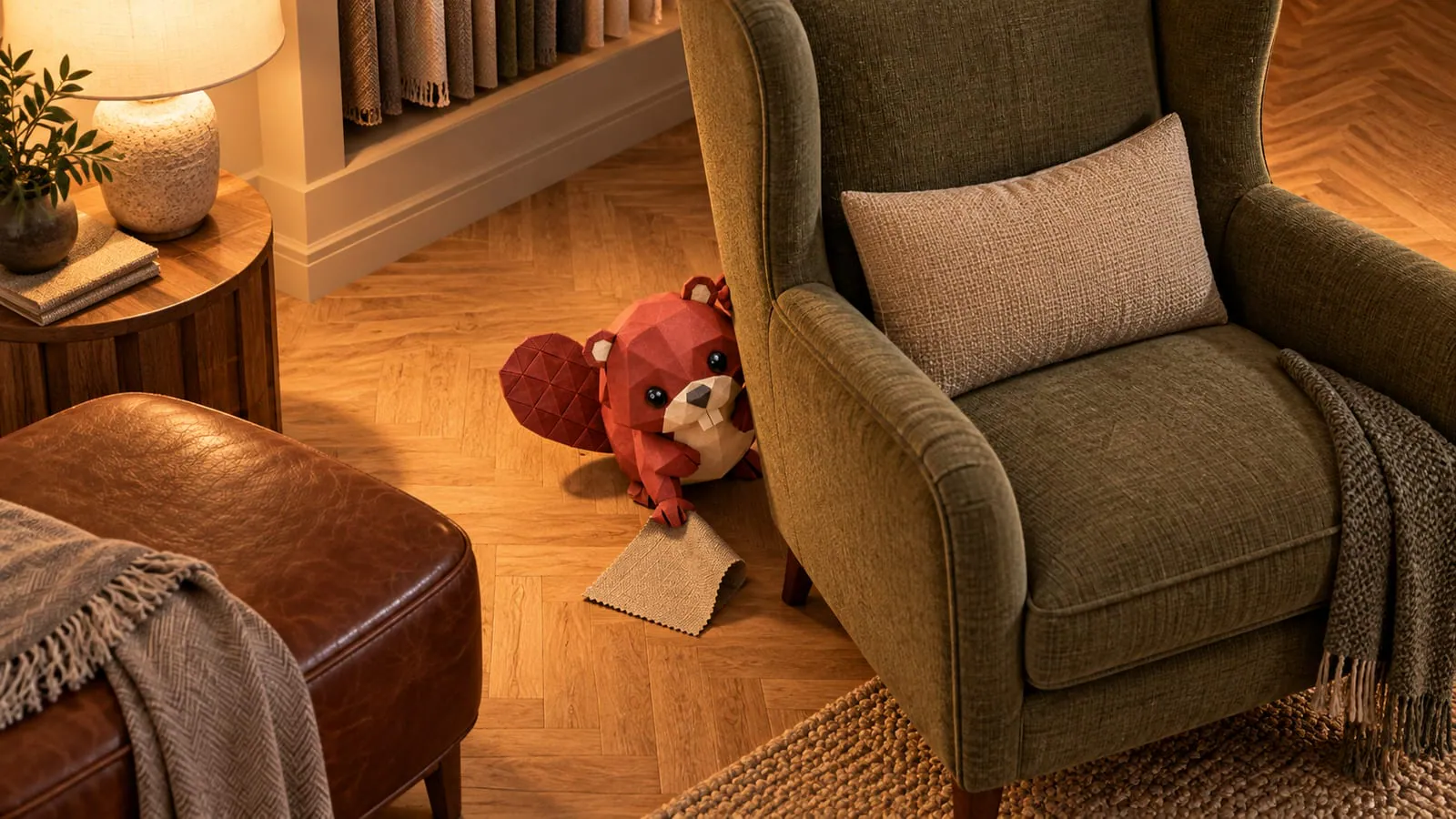
“It’s more than we planned.” “I need to ask my wife.” “I have to measure.” “I’m not sure about the fabric.” “Twelve weeks? We’re hosting Thanksgiving.” Familiar showroom exit lines, each pointing to a different unfinished decision.
The useful response starts before the customer reaches the door. Ask what they still need to settle, offer help with that particular question, and agree on what happens next. A lower price cannot measure a landing, make a partner like a seat, or move a production slot.
Ask why without turning the doorway into a negotiation
Ask a neutral question while you are still beside the furniture: “What would you need to know before deciding?” Then listen to the answer. The customer may want more time, a missing fact, a different product, or an easy end to the visit. Record what they say rather than translating every pause into a price objection.
It is worth asking, provided the customer can decline without being pursued. In Consumer Insights Now’s 2022 research, shoppers asked for useful information and assistance without hovering. An exit question should meet that same standard: help the customer name the decision, then offer a practical next step.
Keep “not recorded” as an honest reason in your tally. A speculative label is worse than a gap because it can send the owner toward the wrong fix. You do not need a dramatic revelation from every departing shopper.
When price is the problem, find the budget boundary
Ask whether the concern is the total purchase, the value of the selected piece, or the timing of payment. Then compare choices that address it. A smaller size, another fabric grade, or a stocked model may change the total while preserving what matters most to the customer.
Present the whole amount, including services and delivery, before discussing a payment arrangement. A deposit changes when money is paid; it does not reduce the purchase price. If the customer’s comfortable budget is lower, show a purchase that fits it rather than using a smaller initial payment to conceal the difference.
For an illustrative example, a $4,000 furniture purchase with a $2,000 deposit still leaves $2,000 to pay, before any separately stated tax or charges. A $3,000 alternative changes the price. Those are different solutions, and the customer should hear them described that way.
Financing can be part of the store’s offer when there is a suitable lending provider and staff can explain the actual terms. Present approval requirements, payment dates, fees, and interest clearly. The Consumer Financial Protection Bureau’s promotional-financing guide explains that deferred-interest offers differ from zero-interest offers. Use the provider’s disclosures; do not describe either as free money.
OrderPilot handles deposits and payment records rather than offering customer financing. On any Shopify plan, enabled deposit orders let staff request a deposit from an Admin quote or draft through a separate Shopify order and payment link. Native percentage deposits, POS Take Deposit, and partial manual payments on a placed order require Shopify Plus. Choose the method your team can actually offer before promising it.
When a partner is absent, send the decision home
Find out what the other person needs to see. Comfort may require another visit. Color may require a physical sample. Price and scope may need a clear quote the couple can review together. A photograph of a tag cannot carry all of those answers.
Ask whether a quick call would help while the customer is still in the showroom. If not, send the selected configuration with a short explanation of the unresolved question. Arrange the next contact around when they expect to discuss it, rather than imposing a follow-up schedule that ignores their plans.
Give the customer a record they can share and a way to ask questions. Avoid making the visiting partner responsible for repeating every technical detail from memory. Your be-back routine should preserve the conversation for whoever picks it up next.
When measurements are missing, make the task specific
“Go home and measure” is incomplete advice. Show the customer which dimensions matter for the intended piece and which parts of the delivery route need attention. Give them a dimensioned product sheet and ask for the clear opening, hallway turn, or stair landing you still need to assess.
Keep the quote provisional while fit is unresolved. A phone photo can help the team understand the route, but it cannot establish a clear opening or turning space. For an awkward piece or a tight route, involve the delivery team or arrange a measuring visit.
The room-fit and access checklist gives the customer something concrete to bring back. Ask when they expect to have the measurements and whether they want you to contact them then. That turns an indefinite be-back into a useful exchange without rushing the purchase.
When the fabric is uncertain, arrange a comparison
Identify what feels uncertain: color against the rug, texture, cleaning, visible wear, or the difference between the swatch and the upholstered display. Answer the care question from the maker’s instructions. Answer a color question with the right sample and a plan to view it at home.
Write the fabric name and code on the loan record, connect it to the quote, and agree on return or follow-up. The customer needs to know which sample matches which quoted choice. A collection of almost-identical oatmeal squares is not a decision aid unless someone has kept the references straight.
A swatch program that supports orders gives samples a destination and a return plan. When a customer selects another fabric, review the configuration and any price or timing change before sending the revised quote. Do not treat the sample loan as a final selection.
When the date cannot work, offer a different path
Say plainly when the current estimate does not meet the customer’s required date. Check alternatives that could solve the actual need: a different configuration, confirmed stocked furniture, a floor piece the store is willing to sell, or a purchase in phases. Verify each offer before presenting it as the answer.
Lead times can change with the option selected, so “this model is quicker” is incomplete without the fabric and other choices. An estimated production time also does not include every possible receiving and delivery arrangement. Explain the estimate you have and what still has to happen afterward.
If no option works, give the customer an honest answer and a useful quote for the longer plan if they want it. Promising Thanksgiving because the alternative is losing a sale creates a second problem for the delivery team and the customer.
Keep the unfinished choice in OrderPilot
OrderPilot keeps the chosen options, images, prices, and customer conversation with the quote. Send the quote link so the customer can review the exact version at home. If they are ready to sign, the POS signing QR code opens that signing page on their phone. A signature request should follow agreement, not substitute for it. The quote PDF carries the selected specification; it does not automatically print option lead time. Write the timing explanation in the message sent with it. Open activity can show that the quote has been viewed, and the order conversation gives the team a place to answer the remaining question. If enabled, OrderPilot sends at most one automatic reminder for an inactive quote still in Draft. Plan personal follow-up around the action agreed with the customer. The useful continuation is a measurement answer, an available sample, or a revised choice, recorded against the same quote.
Use an exit-reason tally to choose the next improvement
Try this sheet for a month as a working exercise. Record a primary stated reason and any secondary blocker; keep customer details in the order record rather than on a public desk sheet.
| Date / quote reference | Stated reason | Missing decision | Agreed next step | Owner / contact due | Outcome |
|---|---|---|---|---|---|
| Price / partner / fit / fabric / timing / other / not recorded |
Review the reasons beside your close-rate measures. If fit dominates, improve measuring support. If fabric dominates, improve sample access and care explanations. If price dominates, examine the offer and total before assuming every associate should discount.
For example, a sample tally with ten recorded departures and four mentioning fit suggests a useful place to investigate; it does not prove that 40% of all your shoppers have an access problem. Count consistently and follow the outcome. When the customer leaves with an agreed next step, use the be-back playbook to carry it through.
Sources
- How to understand special promotional financing offers on credit cards — Consumer Financial Protection Bureau; explanation of zero-interest and deferred-interest offers.
- CIN research: Consumers want more help, information from retailers — Consumer Insights Now / Home News Now, October 14, 2022; original shopper research.
A lower price cannot measure a landing or move a production slot.













