“Custom” vs. “special order”: why the distinction matters for refunds
A custom stamp does not establish a legal exception. Record what makes the piece different, then apply terms that fit the product and the governing law.
The OrderPilot team·
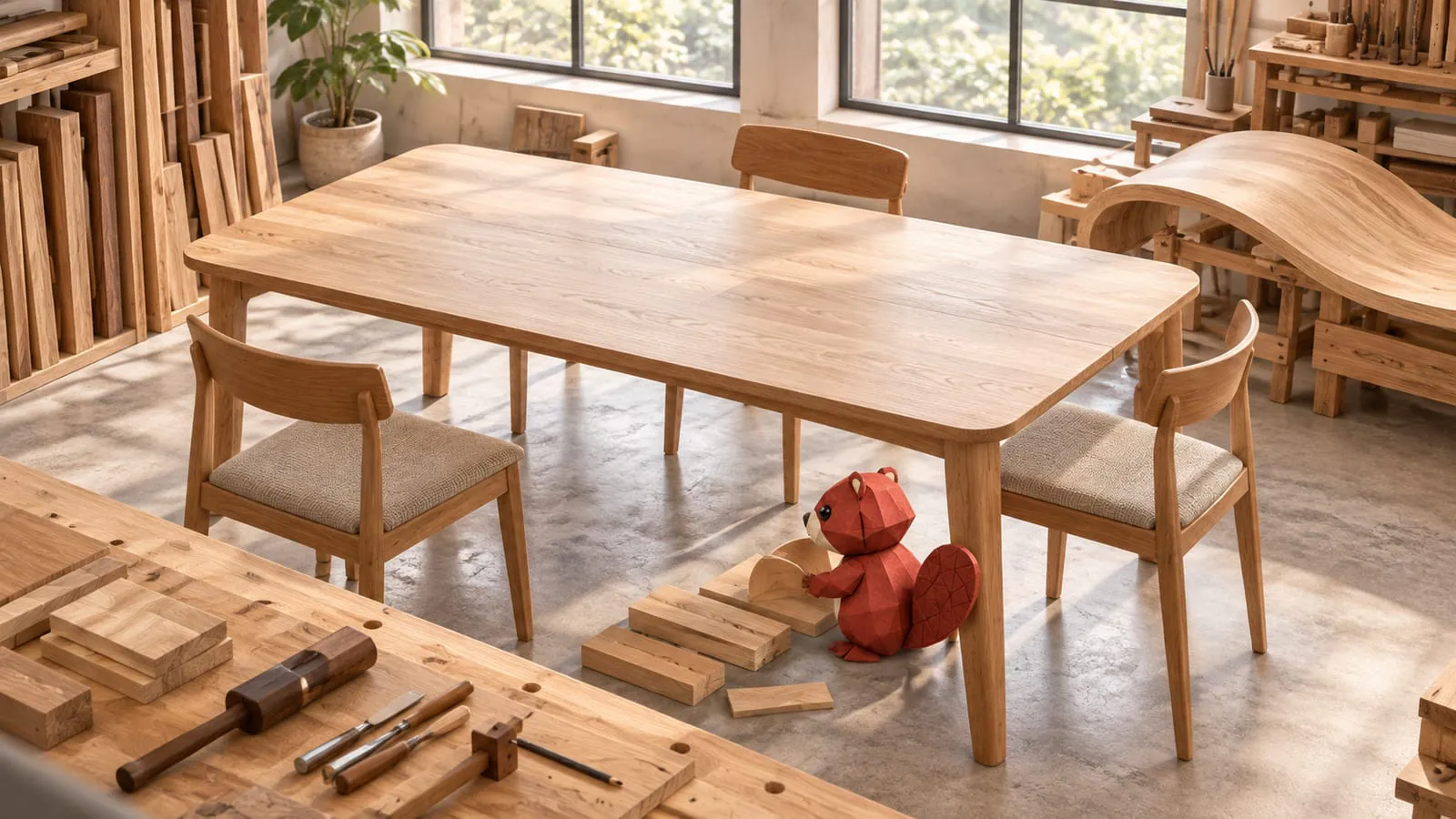
Every order on the desk says “CUSTOM: NON-CANCELLABLE” in red. One is a standard sofa frame, at its usual length, in a fabric from the vendor’s house book. The stamp describes the store’s policy. It does not explain what makes the furniture legally custom.
That distinction can affect refund rights. New York’s furniture delivery law excludes articles substantially custom-made or custom-finished, and a small-claims court has rejected a store’s attempt to apply that exclusion to a standard sofa. The useful task is to record the actual specification, then decide which terms and legal rules govern the sale. New York Section 396-u; 2020 NY Slip Op 50767(U).
General information, not legal advice.
What does New York’s custom exception mean?
The statutory wording is narrower than “ordered especially for this customer.” Section 396-u(1)(c) excludes an article that is “in substantial part custom-made or custom finished.” A store’s need to order a piece from a vendor does not, by itself, establish that exception. The statutory definition.
In the June 30, 2020 small-claims decision, the court looked for measurements and specifications unique to the customer’s order. The receipt identified a standard sofa model. The court explained that choosing among upholstery options would not make its standard main components substantially custom-made, and ordered the deposit returned without the disputed fees. The court’s opinion.
That is a persuasive lower-court decision, not a binding nationwide definition of custom furniture. It supplies a useful question: what evidence shows the piece was substantially made or finished uniquely for the order? Our New York delivery-law guide explains the rights at stake when the exclusion does not apply.
How should you sort the catalog?
Use stock, special order, and custom build as operational categories first. They help staff describe how goods are supplied; a legal conclusion still needs the facts and jurisdiction. The examples below are illustrative.
| Working category | Sofa example | Table or bed example | Record that matters |
|---|---|---|---|
| Stock | Finished sofa available in the warehouse | Standard oak bed available for collection | The actual item and agreed condition |
| Special order | Standard frame ordered in a house-book fabric | Catalog dining table in an offered finish | Vendor model, selected options, and delivery commitment |
| Custom build for legal review | Altered frame dimensions and a one-off specification | Table cut to unusual dimensions with a specific edge profile | Approved measurements, drawings, materials, and manufacturing changes |
This sort keeps the warehouse question separate from the legal question. A stocked item can be unusual. A special order can be easy for the vendor to reproduce. A genuine one-off build may require extensive records. “Not on the floor” tells the sales associate where the piece will come from, not which cancellation rights disappear.
Teach staff to describe the construction before naming the category. “Standard frame in the vendor’s oat linen” is more useful than “custom sofa.” “Table made to the approved drawing” identifies a different kind of agreement, especially when the drawing and dimensions stay with the order.
Is a customer’s own material order automatically custom?
Customer’s own material, or COM, is a reason to examine the specification closely; it is not an automatic legal answer. A standard frame covered with customer-supplied fabric and a frame altered around a unique design present different facts. The 2020 New York decision focuses attention on how much of the actual piece is uniquely made.
Record what the customer supplied, what the maker approved, and what manufacturing changes were required. A fabric cutting plan, pattern placement, or approved treatment of a repeat can explain the work. A note reading “COM” cannot tell the next person whether the factory has merely received a roll or already cut it.
Keep the legal classification separate from the production commitment. The point at which a maker incurs cost can matter to the commercial arrangement, but it does not by itself determine whether a statutory exception applies. The special-order cancellation explainer separates those questions.
Does a one-off finish match count as custom-finished?
A finish made to match a customer’s existing piece creates different evidence from choosing walnut from the standard finish ring. Retain the matching instruction, approved sample, maker’s description, and final specification. That record shows what was requested and what distinguishes it from the regular program.
Do not turn the example into a blanket exemption. Check with your attorney when deciding how New York’s substantial-customization language or another jurisdiction’s rule applies to COM, altered dimensions, and finish matching. The sales team needs a reviewed category rule, plus a route for the unusual order.
A finish approval should also identify its limits. Grain and substrate can affect appearance, and “match the existing cabinet” is incomplete without knowing which cabinet and which sample the customer accepted. Record the agreement while both pieces are still in the conversation.
Can production make a special order non-cancellable?
Starting production does not automatically switch off statutory rights. A vendor’s refusal to accept a cancellation is part of your purchasing relationship; it is not a substitute for reviewing the customer’s rights against your store.
Your terms can describe the agreed cancellation process and when the store commits to the maker. They should also preserve rights that the law provides. In the New York case, the store could not deduct its cancellation, restocking, and administrative charges from the refund due after the delayed delivery. 2020 decision.
Consider a table whose signed drawing changes the length and leg spacing. Before the PO goes out, purchasing confirms that the maker accepts that drawing. Later, the customer asks to cancel. The team can identify the agreement and production position without treating either as the entire legal answer. That is a much stronger record than a stamp applied to every sale.
The deposit-cancellation guide and restocking-fee guide explain how to review the money decision after identifying the reason for cancellation.
Does “custom” matter outside New York?
Other jurisdictions use customization in different rules. California Civil Code Section 1723, for example, addresses the posting of restrictive refund policies and excludes customized goods received as ordered from that section. The words “received as ordered” matter. This is not a general declaration that customized goods carry no remedies for defects, delay, or a wrong specification. California Section 1723.
Do not copy a New York classification onto every state’s policy. Identify which rule you are applying and what its exception actually covers. The delivery-laws overview is the place to begin when the store sells beyond its home jurisdiction.
How OrderPilot records the difference
OrderPilot’s product templates can capture dimensions within allowed ranges alongside the chosen fabric, finish, and other options. Staff see the actual configuration on the order. Option lead times help explain why a particular selection affects the expected production period; they do not automatically print as a delivery commitment on the quote PDF. Use dimension options to collect the measurements the maker needs. A permitted range helps prevent an impossible entry, but the drawing and specification still need the store’s normal review. The software records the choice; it does not classify the piece under a statute.
Extra terms can be attached to the product template or category. That lets reviewed custom-build terms follow the products they describe, while ordinary special-order terms remain elsewhere. The customer sees the terms on the quote and signing page, and OrderPilot preserves the signed version. The extra-terms guide explains that connection. When a customer-visible specification changes, the renewed signature gives the team a clear record of the revised agreement.
Give the sales desk a five-question test
Use these questions to gather facts, rather than treating any answer as a legal test by itself:
- Could the vendor sell this exact piece as part of its ordinary program?
- Which dimensions, components, materials, or finish instructions are unique to the order?
- Where is the customer’s approved specification recorded?
- Which jurisdiction and rule govern the cancellation question?
- Do the attached terms fit that product and preserve the customer’s legal rights?
The red stamp can retire to the stationery drawer. The useful work is the approved specification, the right terms, and an honest description of the piece. Start with extra terms by product, then review the templates that currently receive custom wording automatically.
Sources
“Not on the floor” describes the supply route, not the customer’s legal rights.













