Swatch programs that turn samples into orders
Give samples a clear purpose, a named owner, and a way back to the quote. The fabric the customer takes home should be the fabric purchasing can identify.
The OrderPilot team·
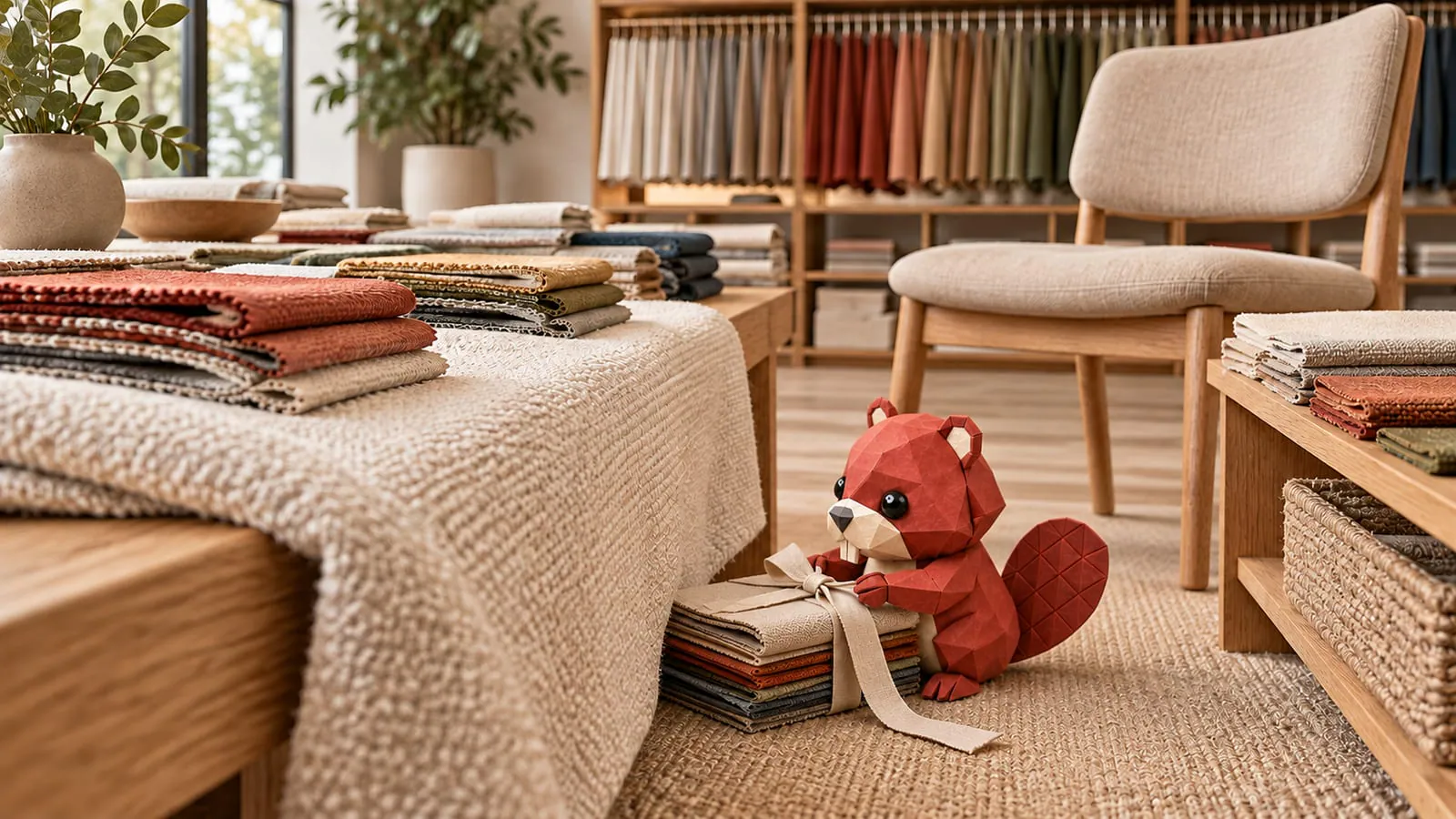
A couple takes a handful of swatches home for the weekend. Weeks later, the oatmeal linen is missing from the book and the associate cannot remember which other fabrics went with it. The planned “How did it look in your light?” call never happened.
A useful swatch program connects the sample to a buying decision and gives someone responsibility for the next step. Decide how samples leave the store, preserve their identities, and bring the chosen material back onto the quote.
What decision should the sample help finish?
The sample should help the customer answer a particular material question. It may be the color beside an existing rug, the texture against the skin, or the relationship between the fabric and a wood finish.
Baymard's 2024 furniture research describes participants who wanted a physical sample because product images did not settle the material's look and feel. That supports offering samples where touch and the customer's own setting matter; it is not a measured promise that every sample becomes an order.
Ask what the customer will compare at home. If they already know the piece and size, preserve those choices with the samples. If they are still exploring several frames, say which question the samples are meant to resolve first.
The online-selling guide helps place that step in the buying journey rather than treating samples as a separate service.
Should online samples be free?
Free samples can be a reasonable selling expense when their cost and handling fit the store's process. A paid sample or a clearly described purchase credit can also make sense. Choose the arrangement deliberately rather than copying another store's limit.
Include the sample itself, packaging, postage, staff time, and replacement in the comparison. Say an illustrative dispatch costs $8 for materials and postage and takes ten minutes of staff work. A program sending 20 such packs commits $160 in direct dispatch costs plus the staff time. That is a planning example, not an industry benchmark.
Ask whether the program produces useful conversations and whether customers receive the samples promptly enough to act on them. You do not need a public conversion-rate claim to notice that requests disappear when dispatch is nobody's job.
If a fee is credited toward furniture, explain the conditions before taking it. A sample fee, a refundable loan deposit, and a furniture deposit are different arrangements and should not share a vague label.
How many samples should a customer take?
Set a practical limit based on the decision and the supply of samples. A short, chosen set often gives the conversation a clearer purpose than sending every neighboring neutral.
For the example Madison quote, the associate might suggest comparing three fabrics against the existing rug. That is a proposed shortlist, not a rule that three is always correct. A designer coordinating several rooms may need a different arrangement.
Distinguish replaceable sample cuts from the store's working books. Letting the last reference sample leave may prevent the next associate from answering another customer's question. Explain which items are gifts and which must return.
The goal is enough choice to settle the question, with labels that survive the trip home. “The nice beige” will not be a useful purchase-order instruction.
What should a showroom loan record contain?
A showroom loan needs the customer's contact, exact sample identities, responsible associate, checkout date, and agreed return arrangement. Keep the record where the next person can find it.
Use the dedicated swatch-checkout guide for the full loan log. The furniture quote can hold a note about the samples discussed, while the loan record handles what is physically out and due back.
At return, check the samples back into the set and record any missing item. A complete sample book should be ready for the next conversation, with the chosen fabric already carried into the customer's quote.
Should the store take a refundable sample deposit?
A refundable deposit can suit valuable or scarce loan items if the arrangement is worth the administration it creates. It may be unnecessary for inexpensive sample cuts intended to stay with the customer.
State the amount, what it secures, how return is recorded, and when and how the refund is made. Give the customer a receipt that identifies the sample arrangement. Don't describe it as money toward the sofa unless that is actually the offer.
For the example store, a loan deposit might cover a large finish board while fabric cuttings remain free. The team then needs a dependable way to process the board's return and refund, not just a verbal promise at the counter.
Use a routine your staff can operate consistently. The deposit is useful only if it supports the sample process without confusing the furniture balance.
What should follow-up sound like?
Follow-up should name the material and ask about the decision it was meant to help. Avoid a general “Just checking in” message that makes the customer explain the whole appointment again.
For a proposed schedule, contact the customer around day three after receipt, then make a later check around day ten if the question is still open. Adjust that example around dispatch, the customer's plans, and the return arrangement. These are staff follow-ups, not a claim about an automatic message sequence.
Three example messages are:
After arrival: “How did the oatmeal weave and the textured gray look beside your rug? Those were the two we were comparing for the Madison.” If the choice is still open: “Is the remaining question the color or the feel? I can help narrow the next sample rather than send another whole set.” When the customer chooses: “I'll update the quote with the oatmeal fabric and walnut legs we settled on, then send the full specification for you to review.”
A useful message makes the next answer easy. It also records what the associate is proposing to change.
How do names stay consistent across vendors?
Use a stable material identity that preserves the vendor's name and code, then give customers a readable label. Don't merge different fabrics merely because each vendor calls one “Natural.”
Keep the physical swatch, online image, option value, and quote tied to that identity. Include the grade and cleaning information where your catalog uses them, while remembering that a grade is not the fabric's complete name.
The multi-vendor option-naming guide explains the structure. The swatch-image guide covers the presentation.
Retire a discontinued swatch from active selling materials when the corresponding catalog choice is retired. Preserve the historical identity on existing customer records so a later service question can still identify what was sold.
What about customer-supplied fabric?
Treat customer's own material as its own approval process. A swatch brought in by the customer is a reference for review, not proof that the maker will accept the material or has enough of it.
Record the material identity and obtain the vendor's approval and quantity requirements for the intended piece. Keep the supplying and shipping arrangements clear. The customer should understand what remains to be confirmed before the furniture order is released.
For wood finishes, a sample also needs an honest explanation of natural variation. The finish-sample variation guide helps avoid promising that every surface will reproduce a small board exactly.
How does OrderPilot support the chosen fabric?
OrderPilot fabric values can carry swatch images, prices, costs, and lead times. Shared option bundles let the same fabric collection serve several templates while keeping the identities consistent.
The website and showroom iPad can present the fabric choices, and the quote records the exact selected value. Lead time is available in the template, admin order line, and enabled online block; it is not a POS or printed-quote lead-time display. Use ordinary Shopify sample products or a separate log for dispatch and loan handling; OrderPilot does not manage swatch loans or sample shipping as a dedicated program. Its contribution is the consistent fabric choice and the quote the team can continue.
The optional quote reminder sends once for a qualifying quiet Draft quote. Keep the proposed sample follow-ups assigned to staff so they address the actual decision.
What should the program owner review?
Review the program as a small operating process: which samples are offered, what they cost to send, who dispatches them, which loans are outstanding, and who follows up.
Check that physical labels match the active catalog, that retired materials are removed from selling sets, and that a chosen sample becomes a named quote value. Those checks keep the sample from becoming an attractive loose end.
Start by reviewing one recent sample conversation, then use the swatch-checkout guide to put the missing physical handoffs on record.
Sources
- Furniture and home decor UX research — Baymard Institute, 2024 research.
The sample should come home as a named choice on the quote.













