Accessorizing vignettes: the rugs, lamps and pillows that finish a room and a ticket
Choose accessories that explain the furniture, make them easy to buy, and keep the room complete when a customer takes one home.
The OrderPilot team·
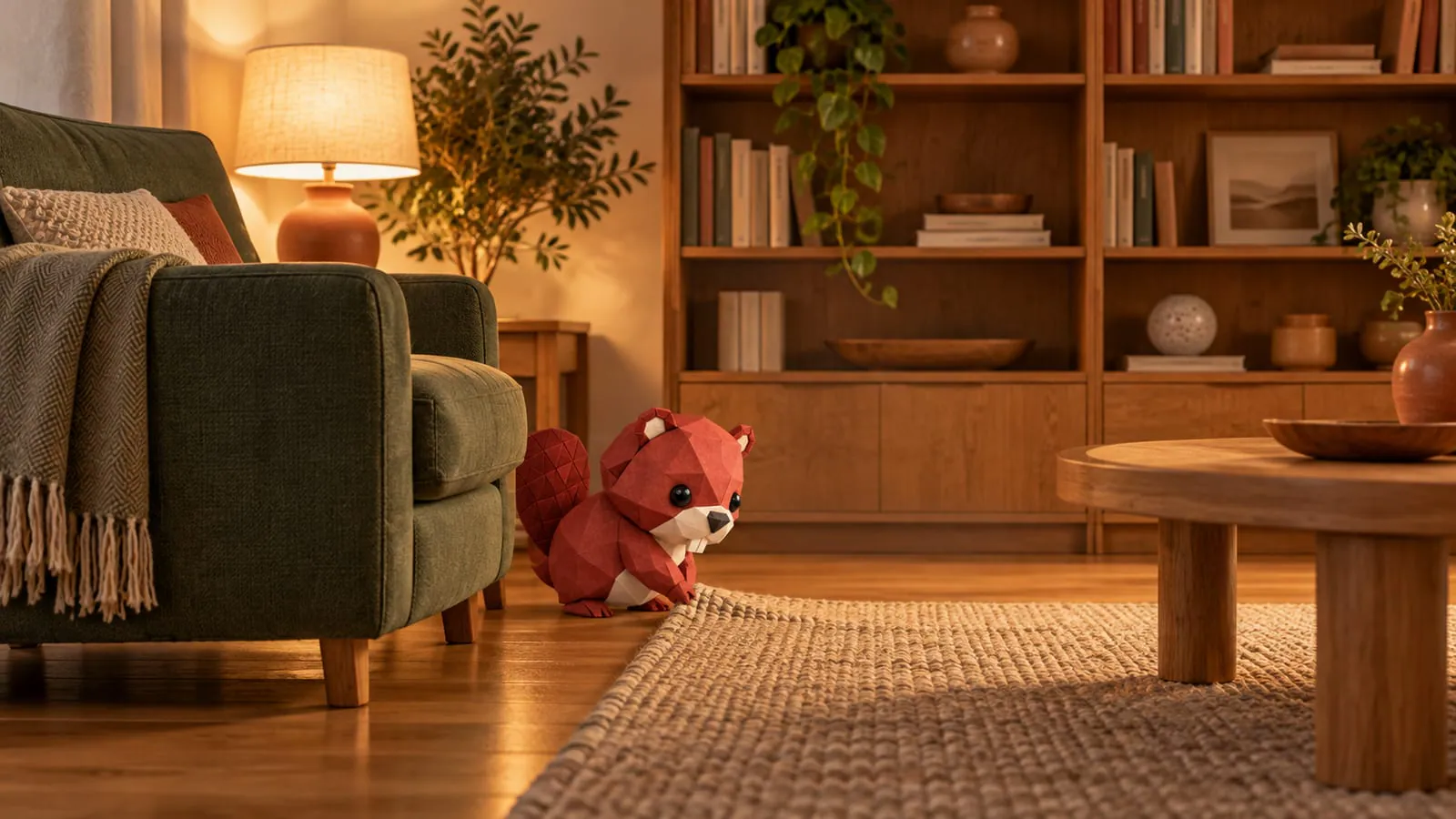
A sofa on bare concrete looks like a delivery waiting to happen. Put it on a wool rug, add a reading lamp, a few useful cushions, and a piece of art, and the customer can begin to see a room. Then comes the useful question: “Is the lamp for sale too?”
Accessorize furniture vignettes with pieces that explain the main furniture and can be handled consistently by the store. The display needs a coherent idea, readable prices, and a replacement plan. A well-styled room is useful only while customers can understand it and staff can sell what it shows.
Build a kit around how the room is used
Start with the furniture's function rather than a shopping list of decorative objects. A reading corner needs light and somewhere for a drink. A dining setting needs enough visible tabletop to show its size and finish. A bedroom needs bedding that explains the bed without concealing all of it.
| Room | Core kit to consider | What the pieces should explain |
|---|---|---|
| Living | Rug, lamp, cushions, throw, art, and a useful side table | Conversation area, scale, comfort, and material relationships |
| Dining | Lighting, restrained tabletop, runner if useful, and wall art | Table size, place settings, finish, and the room's atmosphere |
| Bedroom | Bedding, bedside lamps, art, and a bench where space supports it | Bed proportion, practical surfaces, and how the room functions |
This is a practical kit, not a requirement to use every item in every room. If the dining table has a distinctive surface, a runner may conceal what makes it worth seeing. If the sofa's cushion construction is the selling point, allow the customer to experience it without excavating a pile of pillows.
The showroom layout guide helps position these settings. Accessories should strengthen the room's focal point and preserve access to the furniture, not fill every remaining gap because the styling trolley is nearby.
Make scale do the work
Choose accessory scale in relation to the furniture and the viewing distance. Tiny objects can disappear against a broad sectional; a large arrangement can block the view across a compact room. Step back to the customer route, then sit in the furniture and inspect the same arrangement from there.
A rug helps describe the seating group. Its size and placement should make the relationship among sofa, chairs, and tables understandable, with edges and routes kept usable. A lamp should provide a believable relationship to the seat or surface it serves, rather than float in a corner solely because there is a socket.
Use a limited color story and let texture add interest. A linen sofa, wool rug, wood table, and restrained metal detail can give the room enough variation without adding a separate color to every object. Repeat a connection intentionally, then leave some quiet space around it.
One unexpected piece can make the room memorable if it still belongs to the setting. A sculptural ceramic or a distinctive lamp can provide that note. It does not need an equally surprising companion on every surface. The room should suggest a home, not the final round of a decorative-object competition.
Label the role of each piece in the scene
An illustrative living-room sketch makes the styling logic easy to teach:
ART: a focal point above the sofa
              SOFA
PILLOWS: color and texture, removable for a sit test
THROW: material contrast, not a cover for worn upholstery

RUG: defines the seating group
TABLE: a practical landing surface with clear space
LAMP: makes the chair a believable place to read
Ask the team to explain each addition in the same way. If nobody can say what the object contributes, try removing it. The test is whether the furniture becomes clearer or the room becomes incomplete. That produces a better decision than treating the stylist's first arrangement as untouchable.
Keep fabric and finish information close enough to support the conversation. A customer who likes the complete room may still want a different upholstery or table size. The display is a starting point for the customer's room, not a package they must buy unchanged.
Decide which props are for sale
Make the distinction between stock and display-only props clear to staff and customers. Saleable rugs, lamps, cushions, and art need product identities, prices, and availability information. Display-only objects need a consistent description so an associate does not improvise a price merely because someone likes them.
A store that does not want a broad gifts department can keep a focused supporting range: lamps suited to the seating, rugs that demonstrate scale, and cushions tied to the upholstery palette. It can also use durable display props and refer customers appropriately. The aim is a finished furniture presentation, not an accidental second business in small ceramics.
Use whole-room selling to show the optional pieces together and individually. Explain what is included in the main furniture price and what is separate. The customer should be able to choose the lamp without discovering that the attractive sofa tag quietly excluded its displayed configuration.
Avoid claiming accessories always carry superior margins or sell immediately. Review actual costs, discounts, damage, and stock age. A fashionable accessory with poor replenishment and frequent breakage may contribute less than its opening markup suggests.
Keep the display complete after an accessory sells
Give each focal room an approved replacement plan. Keep suitable back stock where the range and demand justify it, or identify a substitute that preserves the room's purpose. When the customer takes the lamp, restore the display promptly instead of leaving an empty table until the next formal reset.
Stop informal borrowing by giving the whole room an owner. An associate can request a piece for a customer demonstration, but a permanent move should update the display plan. Otherwise the strongest vignette gradually absorbs the best accessories while neighboring rooms become increasingly apologetic.
Photograph the intended arrangement and record saleable items on a concise room list. A new colleague should be able to find the correct lamp and know whether it is available. That list also helps the store count stock and identify the cause when a piece seems to have disappeared.
Include the display in the monthly restyle routine. Replace tired props, clean textiles, and review whether the room still represents the furniture being offered. Do not use a throw to conceal damage that the customer needs to see.
Choose a stylist for repeatable work
A staff member with good judgment can own the presentation if the role includes time, authority, and a budget. Invite associates' observations about what customers find confusing, then let one person make the final composition decision. The floor needs a coherent result more than a vote on every cushion.
If considering a freelancer, commission a small paid trial on one setting with the same brief and constraints for each candidate. Ask for an arrangement using the store's range, a replacement list, and an explanation staff can use. Judge the everyday selling result as well as the photograph.
Agree what the fee includes: selection, sourcing, installation, photography, staff handoff, and later changes. A strong opening display with no plan for sold pieces can be difficult to maintain. The store needs a method it can continue when the stylist has left.
Budget and measure the supporting sale
Say a test setting uses $800 in saleable accessories at cost plus $200 in durable display-only props. Record the $800 as stock investment and the $200 as the display expense under the store's accounting approach; do not casually treat both as the same marketing spend. Add styling labor and expected replacement costs when comparing the test with its result.
For a measurement, 8 of 40 sofa orders included a related lamp before the restyle, and 12 of 40 did afterward. The observed share rose from 20% to 30%. Review availability, prices, promotions, and staff activity before attributing the difference to styling. Also examine the lamps' contribution after discounts and costs.
Use average-ticket analysis to read the result honestly. An added item can increase the ticket while reducing total contribution if the discount used to sell it is too broad. Track the specific related pieces and preserve the customer's freedom to choose only what their room needs.
Begin with one setting and the monthly reset plan. Finish the room, make its pieces understandable, and leave a replacement routine behind. The next time someone asks about the lamp, the associate should have a clear answer.
Every accessory should explain the furniture or make the room more useful.













